


Description
Durable and Stylish Design for Outdoor Spaces
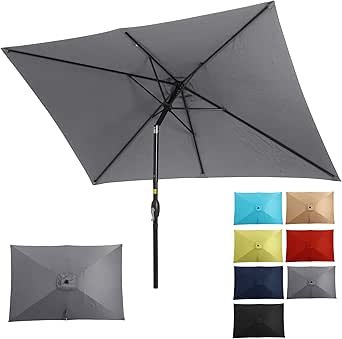
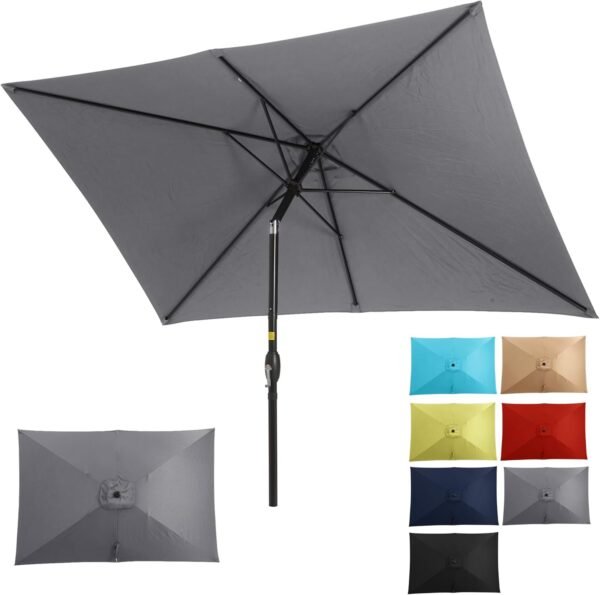
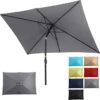
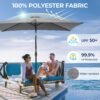
Testing the SUNVIVI OUTDOOR Patio Umbrella, 6.5′ x 10′ Rectangular Patio Umbrella, I immediately noticed how sharp it looks in my backyard setup. It’s got that sleek rectangular canopy made from 100% polyester fiber, which is not only waterproof but also UV resistant. The material feels sturdy, and the manufacturer claims it has a colorfastness of Grade 4 for 400 hours, meaning it won’t fade quickly under the sun. I’ve had umbrellas in the past that looked great for a few weeks but quickly turned into faded eyesores. This one? It feels like it’s built to resist that fate.
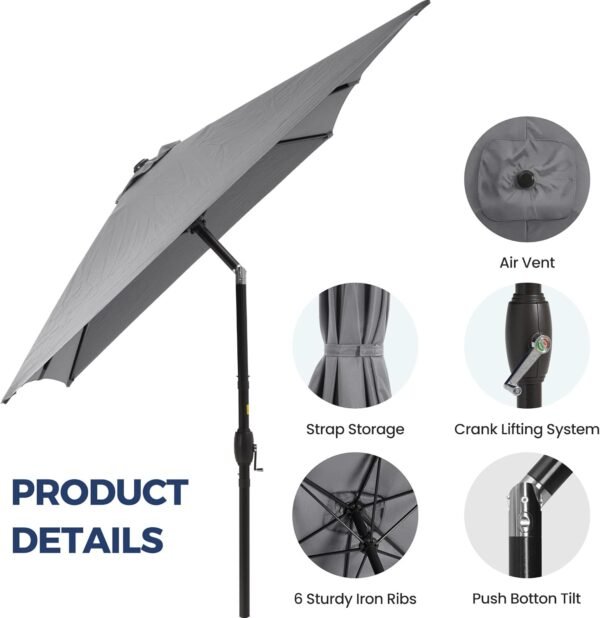
The 1.9-inch metal pole is thicker than I expected and has a powder-coated finish, which gives me peace of mind about rust or bending. I even gave the pole a good shake just to test its stability, and it hardly wobbled. The six heavy-duty steel ribs add extra support, so even with moderate winds, this umbrella holds its ground. I had it set up on a patio table, and it stayed firm compared to my old umbrella that would sway dramatically at the slightest breeze.
Ease of Use with Smart Features
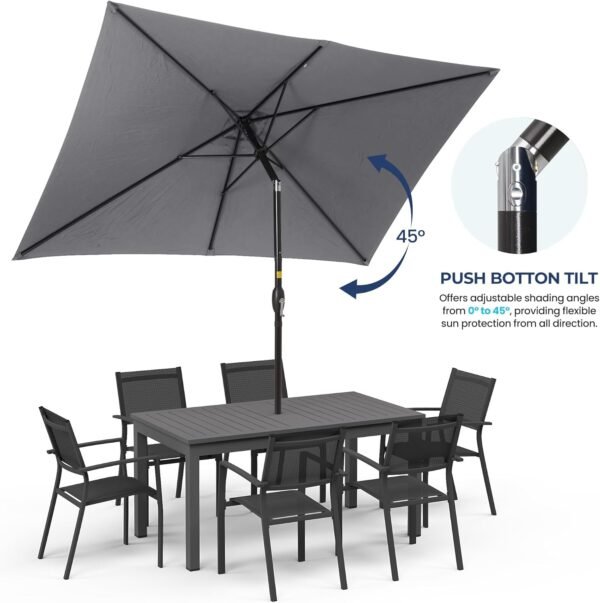
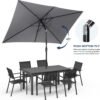
One of the key benefits here is the crank lifting system. I found it smooth and easy to operate, even with one hand. No more wrestling to open or close the umbrella, which is a huge relief! The push-button tilt function is equally impressive, allowing for 360° sunshade coverage. Whether I’m sipping coffee in the morning or hosting a barbecue in the afternoon, I can adjust it to block the sun from every angle. This feature might seem small, but trust me—it’s a game-changer when the sun decides to play hide-and-seek.
Another thoughtful addition is the single ventilation hole at the top. This not only aids air circulation but also prevents tipping during windy conditions. During one slightly gusty afternoon, I noticed how the vent reduced the umbrella’s tendency to catch the wind like a sail. It’s a subtle but very effective design element.
Wide Range of Applications
The 6.5′ x 10′ size makes this umbrella versatile. I’ve used it on my patio for shade while lounging, but it’s also great for larger outdoor spaces like gardens or even at cafes and restaurants. Its height—8.1 feet—ensures it provides ample coverage without feeling too imposing. I even took it to the beach once (with a compatible base), and it immediately became our go-to spot for shade. I can see this being perfect for anyone looking to add some flair and functionality to their outdoor setup.
Good Aspects
- Fade-resistant and waterproof polyester canopy ensures durability.
- The sturdy metal frame with heavy-duty ribs offers great stability.
- Push-button tilt allows for flexible sunshade angles.
- Ventilation hole prevents tipping during windy conditions.
- The sleek rectangular design fits modern outdoor aesthetics.
Areas for Improvement
- The umbrella doesn’t come with a base, which feels like a missed opportunity. If you don’t already own one, it’s an extra cost and effort to find a compatible base.
- While the crank system is easy to use, I noticed that the handle feels a bit lightweight. It hasn’t broken, but I’d prefer something sturdier for long-term use.
- The size, while generous, might not be ideal for very small balconies or patios.
Product Competitors
Comparing this to some other outdoor umbrellas I’ve tested, it holds up remarkably well in terms of durability and features. For instance, I’ve tried the Abba Patio and Blissun umbrellas in the past. While they offer similar UV protection, I found the push-button tilt feature on this SUNVIVI model far more intuitive. Blissun umbrellas, though stylish, tend to lack the heavy-duty steel ribs, making them less stable in windy conditions. Abba Patio models are solid but often lack the ventilation feature, which is crucial for safety during gusty weather.
On the other hand, some high-end brands like Treasure Garden offer even thicker poles and more advanced tilt mechanisms. However, they come at a much higher price point, and unless you’re extremely particular about every detail, the SUNVIVI OUTDOOR umbrella provides a great balance of quality and affordability. It’s the perfect choice for someone wanting durability without breaking the bank.
Price Worthiness
Given its robust construction and practical design, this umbrella offers excellent value for the price. Yes, there are cheaper options on the market, but they often fall apart after a single season. On the flip side, pricier models might offer marginal improvements but not enough to justify the cost difference for most users. This umbrella strikes a sweet spot—it’s affordable yet packed with features that enhance usability and longevity. If you’re on a budget but still want something reliable and stylish, this product fits the bill perfectly.