


Description
Highlights of the Carfidant Scratch Repair and Swirl Remover Kit
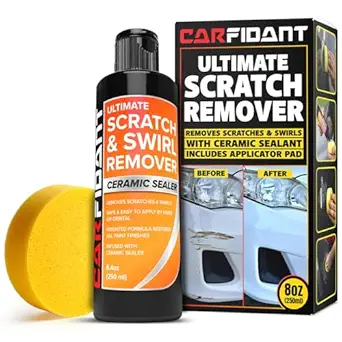
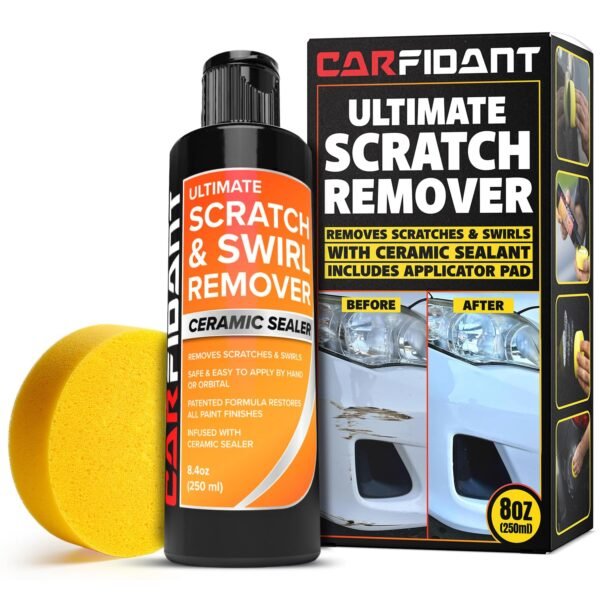
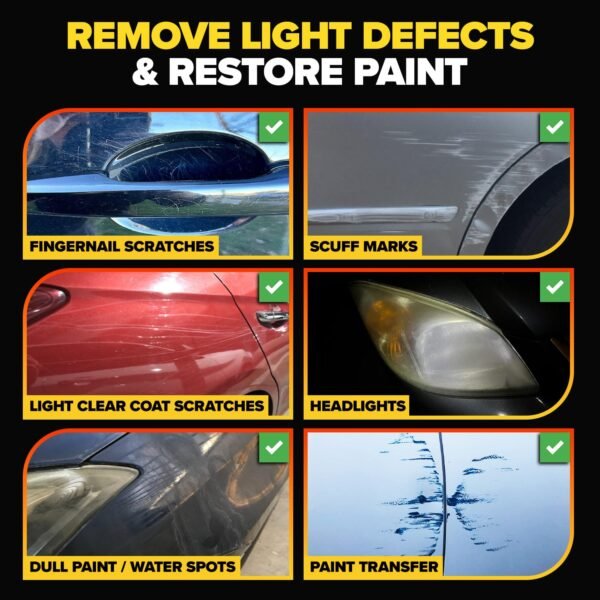
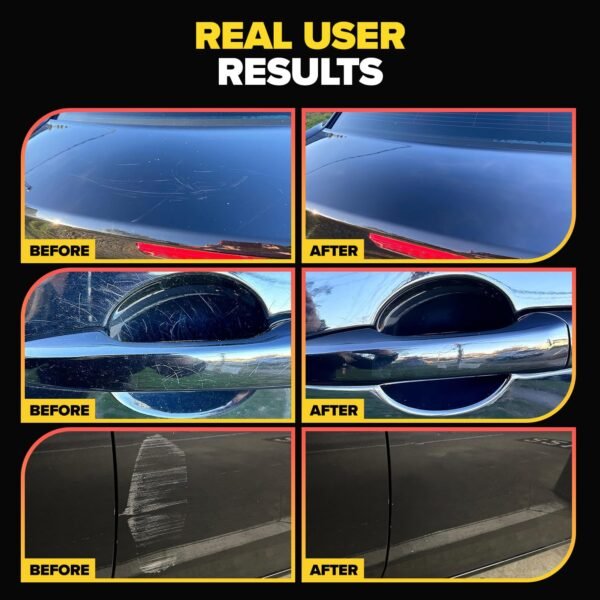
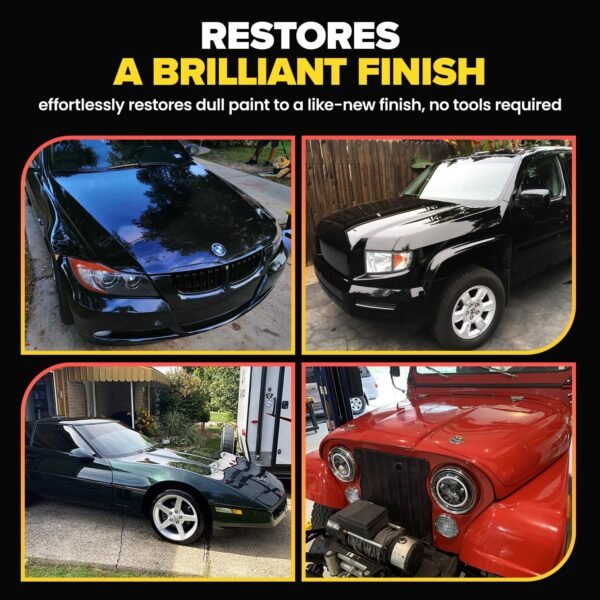
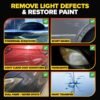
Using the Carfidant Scratch Repair and Swirl Remover – Car Paint Scratch Remover & Restorer Kit with Buffer Pad felt like giving my car’s paint a mini spa treatment. This kit promises to erase light scratches and swirls, and it delivers on that with surprising ease. The buffer pad included is thoughtfully designed; it fits comfortably in hand and works well with the compound to buff out imperfections without too much elbow grease. I was able to remove not only the usual swirl marks but also some stubborn water spots and oxidation that had dulled the paint over time. The finish afterward was noticeably glossier and closer to the car’s original shine, which was satisfying to see.
A standout feature of this product is its versatility — it works on all paint types, including clearcoat, single-stage, and multi-stage paints. I tested it on a few different vehicles belonging to friends and family, each with different paint jobs, and found it safe and effective every time. The formula is professional-grade yet user-friendly, which made me feel confident applying it without worrying about damage or uneven results. The absence of strong scents or unnecessary dyes also made the experience more pleasant.
Positive Features That Stood Out
- Effective removal of light scratches and swirl marks without damaging the clearcoat.
- Restores gloss and shine, bringing the paint back to life.
- Safe for all types of car paint finishes (clearcoat, single-stage, multi-stage).
- Includes a well-designed buffer pad that makes application easier.
- Contains premium chemicals formulated for professional-grade results.
This scratch remover kit is quite the multitasker. Beyond scratches and swirls, I noticed it also helped reduce minor water spots and surface contaminants that typically require separate products. The convenience of addressing multiple paint imperfections with a single compound is a huge plus.
Drawbacks and Areas for Improvement
However, this product isn’t without its quirks. The bottle size, holding 8.4 fl. oz., feels somewhat limiting if you have a larger vehicle or multiple cars to treat. I found myself wishing for a bigger container or refill options to avoid running out midway.
The buffer pad, while effective, does wear down with repeated use and might need replacement after several applications. That could add to the maintenance cost over time. Also, this kit is best suited for light to moderate scratches and swirls; it doesn’t perform miracles on deep gouges or significant paint damage.
- The size of the container is somewhat small for extensive use.
- Buffer pad durability is limited; replacements might be necessary.
- Not effective on deep scratches or severe paint damage.
- Requires some elbow grease; not completely effortless on stubborn marks.
User Experience and Practicality
I shared the kit with my brother, who’s a bit of a car enthusiast but not a professional detailer, and he appreciated how straightforward the instructions were. Even my kids noticed the difference after I polished the family SUV; they commented it looked “like new” again, which says a lot considering how picky they are about the car’s appearance. Applying the product was a satisfying process, almost therapeutic, although it demands some patience and consistent buffing to see optimal results.
The formula’s lack of strong chemical odors made it more user-friendly for indoor use, a feature I personally valued since I sometimes detail cars in my garage. The compound’s texture is smooth and spreads evenly without dripping, which helps prevent messes and wasted product. That said, it’s important to use a clean microfiber cloth to wipe off residue for the best shine.
Competitive Options in the Market
Comparing this kit to other popular scratch removers like Meguiar’s ScratchX or Turtle Wax’s Polishing Compound, the Carfidant kit holds its own impressively. It offers a balanced blend of polishing and protective qualities at a competitive level without the intimidating complexity of some professional products.
Meguiar’s tends to have a slightly stronger chemical scent and can be harsher on delicate clearcoats, whereas Turtle Wax products sometimes require multiple applications for similar results. The Carfidant kit’s premium chemical formula seems to provide a smoother, gentler finish, which is ideal for both beginners and seasoned users alike.
However, some competitors offer larger bottle sizes or include additional accessories like microfiber towels or applicator pads, which this kit lacks. The price point is generally in the same ballpark, but if you’re looking for an all-in-one kit with extras, alternatives might be more appealing.
Value for Money
Considering what this kit delivers, I found it to offer good value for money. The price aligns well with its performance, especially given the professional-grade quality of the chemicals and the ease of use for home mechanics or casual car owners. Investing in this product means skipping multiple visits to a detailer for minor paint issues, which can add up quickly.
Still, if you have a large fleet of vehicles or require deep scratch repair, this might not be the most cost-effective solution in the long run due to the relatively small bottle size and the need for replacement pads. For the average user who wants to maintain their car’s paint and tackle everyday blemishes, this kit strikes a reasonable balance between price and performance.
Design and Packaging Insights
The compact design of the bottle makes it easy to store in a garage shelf or a car care kit without taking up much space. The dimensions (2.76 x 2.36 x 8.46 inches) mean it’s portable and travel-friendly, perfect for spontaneous touch-ups before a road trip or special event.
The label is straightforward, with clear instructions and no clutter of marketing jargon, which I appreciated as it made the process less intimidating. The bottle dispenses the right amount of compound with minimal waste, thanks to a well-designed nozzle that prevents over-pouring or spills.
Versatility and Application Tips
This product’s ability to work across different paint types makes it a versatile addition to anyone’s car care arsenal. It handles clearcoat finishes, single-stage paints, and even multi-stage layers without causing damage or discoloration. I tested it on a vintage single-stage paint job and a modern clearcoat finish; both responded well after buffing.
For best results, use the included buffer pad with moderate pressure, applying the compound in small, circular motions. I noticed that letting the compound sit for a few seconds before buffing helped break down oxidation and stubborn spots more effectively. Following up with a clean microfiber cloth for wiping off residue and finishing with a wax or sealant enhances the shine and protection further.
Final Impressions from Real-World Use
Using this repair kit felt like a mini victory each time I restored a faded spot or diminished a scratch. The satisfaction of seeing a dull, damaged area return to its original brilliance is hard to beat. While it’s not a miracle worker for severe paint damage, it excels at keeping cars looking polished and well-maintained with minimal fuss.
I’d recommend it to anyone who enjoys DIY car care or wants a straightforward, effective product without the hassle of professional detailing. The combination of ease of use, safe formulation, and visible results makes this scratch and swirl remover a solid choice for everyday paint maintenance.