



Description
Highlights of the Virbac CET VEGGIEDENT FR3SH Tartar Control Chews for Small Dogs
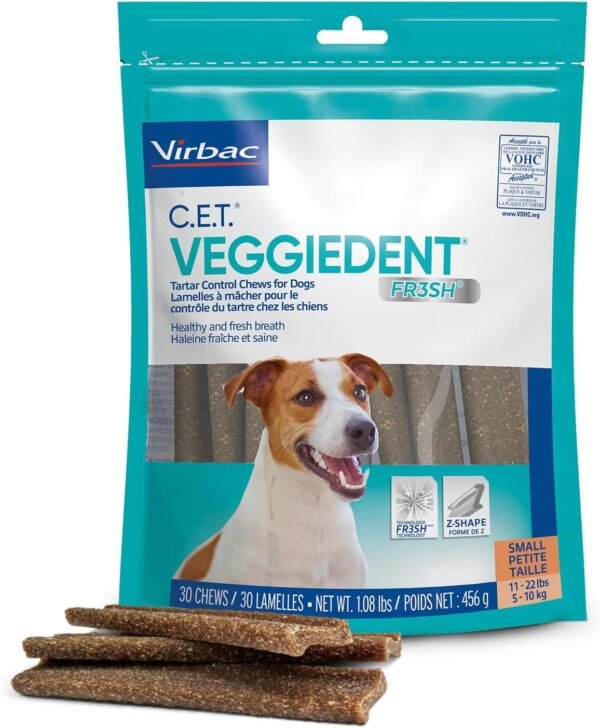
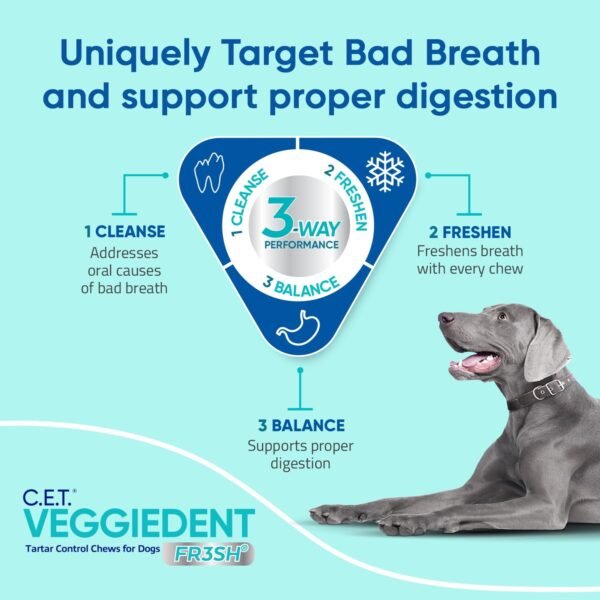
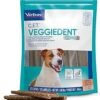
Testing the Virbac CET VEGGIEDENT FR3SH Tartar Control Chews for Dogs – Small gave me a solid understanding of what these plant-based dental chews bring to the table. Designed for dogs weighing between 11 and 22 pounds, these chews focus on three major benefits: cleaning teeth, freshening breath, and supporting digestion. The unique Z shape of the chews caught my eye immediately – it’s cleverly designed to reach all parts of the mouth, from front teeth to the hard-to-reach back molars, which is often a challenge with dental products.
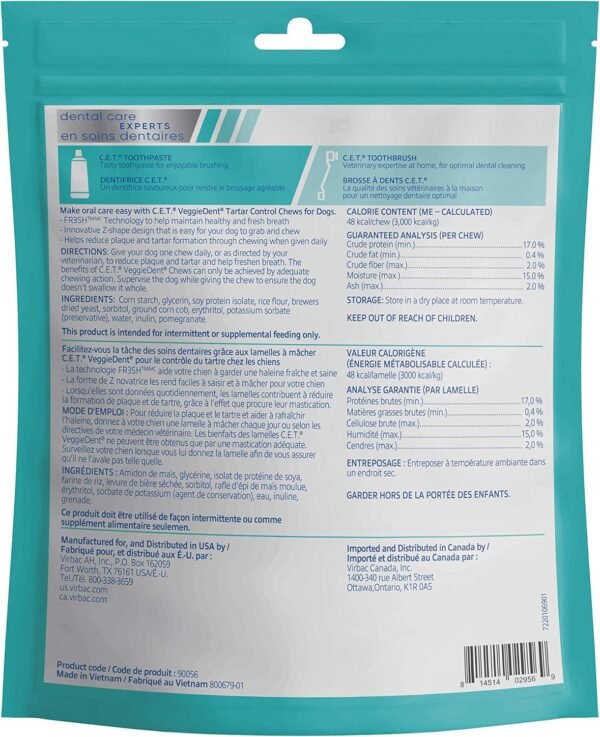
One chew a day seemed to make a noticeable difference in reducing tartar and plaque buildup. The formula being gluten-free, plant-based, and containing no artificial additives impressed me, especially since it includes a prebiotic to support gut health. This is a nice bonus considering the digestive issues my small dog sometimes faces. The fact that each chew contains just 48 kcal means it fits well within a balanced diet without risking weight gain. Also, the Veterinary Oral Health Council (VOHC) approval adds credibility to the product’s effectiveness.
Good Aspects of the Dental Chews
- The plant-based formula is a standout for dogs with dietary sensitivities or allergies.
- The Z-shaped design ensures thorough dental cleaning by reaching all teeth.
- Noticeable freshening of breath from day one, which is a huge win in daily dog care.
- Contains a prebiotic for digestive support, helping maintain a healthy gut flora.
- The chews are moderate in calories, making them suitable for weight-conscious pet owners.
These positives clearly show that the chews aren’t just about oral hygiene but offer a holistic approach to small dog health.
Drawbacks to Consider
- The size and texture may not be suitable for dogs smaller than 11 pounds or those who are picky chewers.
- Some dogs might not be immediately attracted to the plant-based flavor if they’re used to meat-flavored treats.
- The chews require daily consistency to maintain their full benefits, which might be a hassle for some owners.
- Packaging could be improved to maintain freshness after opening, as I noticed the chews lost some crispness after a week.
While the product excels in many ways, these minor shortcomings are worth noting for anyone considering it for their furry friend.
Exploring the Chew’s Design and Usability
The ergonomic Z shape is more than just a gimmick – it’s functional. Watching my dog chew, I could see the chew reaching deep into his mouth, scraping the teeth’s surfaces effectively. This design is far superior to traditional flat or round dental treats that tend to slip out too quickly or don’t cover enough surface area. The chews are firm but not so hard that they risk damaging teeth, which is reassuring.
The plant-based composition means the chew is easier to digest compared to meat-based dental chews I’ve tried. I noticed fewer instances of upset stomach or diarrhea, which my dog occasionally suffers from after consuming less digestible treats. The inclusion of non-GMO corn and no artificial chemicals aligns with my preference for cleaner pet products.
Performance on Freshening Breath and Dental Health
One of the most immediate benefits was the breath freshening effect. After the very first chew, my dog’s usual doggy breath was noticeably reduced. This effect improved steadily with continued use. It isn’t just masking odors but addressing tartar and plaque, which are the root causes of bad breath. The VOHC seal confirms this isn’t just marketing hype.
I appreciated that the chews don’t just focus on breath but actively promote dental hygiene by reducing tartar and plaque buildup. I could see less yellowing on my dog’s teeth after regular use. This is significant because smaller dogs are often prone to dental issues, and maintaining oral health is crucial for their overall wellbeing.
Value Proposition: Is It Worth It?
The chews fall into a price category that might seem a bit higher than generic dental treats, but considering their plant-based formula, VOHC approval, and digestive benefits, they offer solid value for money. Compared to other dental chews on the market, these provide a multi-functional approach, combining oral care with gut health support in one product.
If you’re someone who prioritizes quality ingredients and scientifically backed dental care, this product feels like a smart investment. For budget-conscious buyers, it may seem like a splurge, but the health benefits and ease of use justify the cost. The moderate calorie content also means it won’t add up to extra weight gain expenses at the vet.
Product Comparisons: How It Stacks Against Competitors
Comparing these chews to popular alternatives like Greenies or Pedigree Dentastix reveals some interesting contrasts. The plant-based formula sets this chew apart, especially since many competitors rely on meat-based ingredients that can trigger allergies or digestive issues in sensitive dogs. The Z shape design also outperforms the more generic shapes of other dental chews, providing more thorough cleaning action.
On the downside, competitors sometimes offer chews in a wider range of sizes to better fit tiny or larger small dogs, whereas this product caters strictly to dogs 11 to 22 pounds. Additionally, some alternatives come with flavors that dogs might find more tempting, but that often means sacrificing natural or clean ingredients.
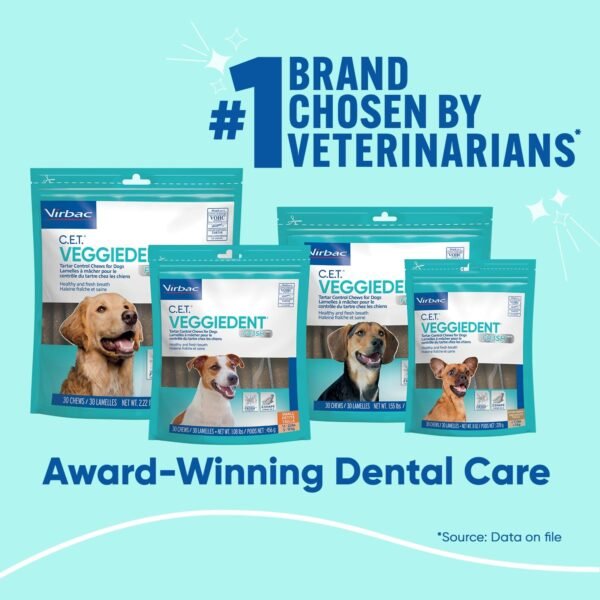
The VOHC approval also gives these chews an edge in trustworthiness, something that not all competitors can claim. However, competitors may have the advantage in packaging freshness and flavor variety.
Digestive Health Support and Ingredient Quality
Including a prebiotic to support gut flora was a pleasant surprise. Many dental chews overlook overall health and focus solely on teeth. This product’s ability to promote digestive wellness adds a layer of holistic health care for my dog. I noticed that after incorporating these chews, my dog had fewer digestive upsets, which I attribute to the balanced gut flora supported by the prebiotic.
The ingredient list is refreshingly simple and transparent, avoiding artificial preservatives, colors, or flavors. Using non-GMO corn and excluding meat ingredients makes it suitable for dogs with specific dietary restrictions. This is especially important for pet owners like me who want to avoid unnecessary chemicals in their dog’s treats.
Usability and Feeding Experience
The ease of feeding is another plus. The chews are conveniently sized for small dogs and don’t crumble easily, which means less mess. My dog took to them without hesitation after a brief sniff test, although some dogs might need a bit of encouragement if they’re used to meatier flavors.
The daily routine of giving one chew fits seamlessly into my dog’s schedule, and the product doesn’t require any special preparation or cleanup. The moderate calorie content means I can confidently add this chew without worrying about overfeeding. However, keeping the bag sealed tightly is essential to maintain chew freshness over time.
All in all, this dental chew combines effective oral care with digestive support and is tailored well for small dogs, making it a versatile addition to daily pet care routines.