


Description
Positive Features That Stand Out
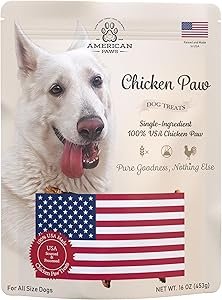
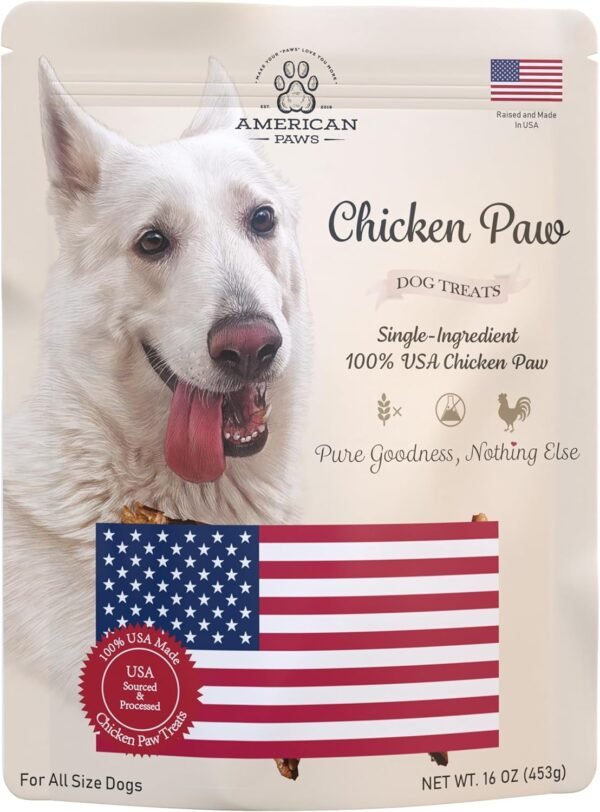
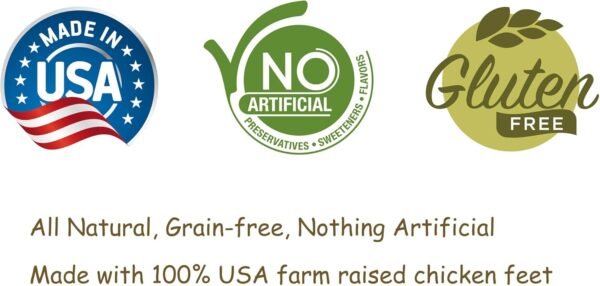
I have to admit, the American Paws Dehydrated Chicken Feet Dog Treats impressed me in several ways. These treats are made from only one ingredient—U.S. chicken feet—with no additives, salt, sugar, flavors, coloring, or preservatives. That alone made me feel confident about giving them to my dog, especially since he has a sensitive stomach. The natural drying process keeps the flavor intact, and my dog loves the crunchy texture. It’s clear these treats aren’t just empty calories; they’re packed with natural glucosamine, which supports joint health and hip mobility—something I noticed after seeing my older dog move with less stiffness.
- Made with 100% natural, single-ingredient chicken feet.
- Supports bone and joint health due to naturally occurring glucosamine.
- Proudly sourced and produced in the USA, ensuring quality and safety.
Drawbacks to Keep in Mind
Despite the many positives, there are a few things that might make you hesitate. Handling and feeding the chicken feet require some care—dogs must chew properly, or it could pose a choking hazard. I had to watch my dog closely the first few times to make sure he didn’t gulp them down whole. Also, these treats are quite odorous; the smell can be a bit strong, which might not suit every pet owner’s nose. Plus, they’re not the easiest to store—keeping them in a cool, dry place away from sunlight is necessary to maintain freshness. Some dogs might take time to adjust to the texture, so introducing these gradually over a week is a good idea.
- Risk of choking if not properly chewed.
- Strong smell that some may find off-putting.
- Requires proper storage to avoid spoilage.
Design and Usability
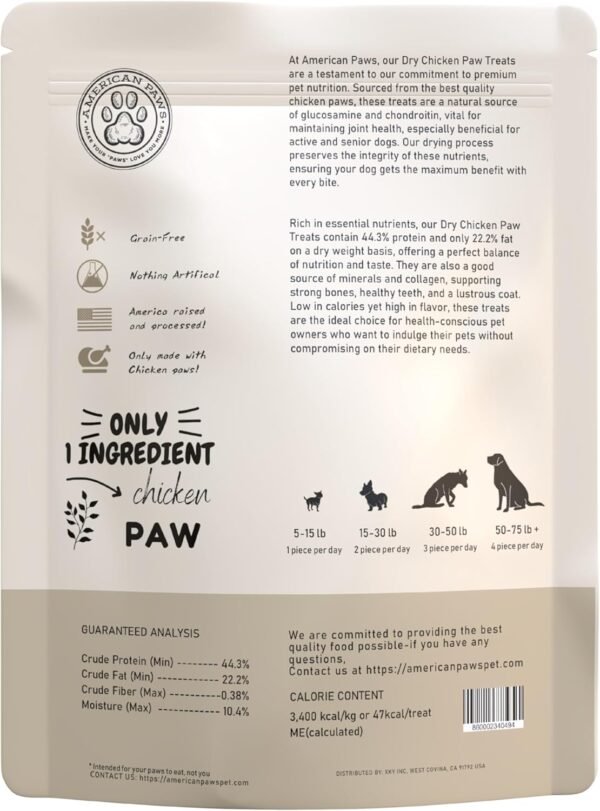
The packaging is straightforward—simple yet effective. The 1-pound bag is easy to reseal, which helped maintain freshness after opening. Because the treats come as whole chicken feet, feeding is straightforward: one foot per day for small to medium dogs, two for larger breeds. I appreciated the clear feeding guidelines, which made portion control hassle-free. The size and shape of the treats also encourage chewing, which is great for dental health. My dog seemed to enjoy the challenge of gnawing on the feet, and I liked that it kept him occupied for longer periods compared to standard biscuits.
Target Audience and Suitability
These treats are clearly designed for dogs of all life stages, which was a relief since I have both a puppy and an older dog at home. Breeds like Labrador Retrievers, German Shepherds, French Bulldogs, and Poodles are all mentioned as suitable recipients, but I found that even my smaller breeds like Beagle and Dachshund showed interest. However, I’d emphasize that supervision is key, especially with smaller dogs or those prone to swallowing too quickly. The product’s joint support benefits make it especially appealing for senior dogs or breeds prone to hip dysplasia, like Rottweilers and Siberian Huskies.
Value for Money
Considering the quality and sourcing of these treats, I think the price is fair for what you get. With no fillers or artificial ingredients, these chicken feet offer something that many other dog treats do not: a wholesome, natural snack that also supports your pet’s health. Compared to typical commercial treats loaded with preservatives and fillers, these stand out as a more cost-effective option in the long run—especially if you value your dog’s joint health. The pack size is generous, and since you only need to give one or two feet per day depending on your dog’s size, the treats last a reasonable amount of time.
Product Comparisons
When stacked against other popular dog treats like rawhide chews or dental sticks, these dehydrated chicken feet shine in terms of natural ingredients and joint support. Rawhide can sometimes cause digestive issues or even blockages if swallowed in large chunks, but these chicken feet are less processed and contain natural glucosamine that actually helps maintain joint health. On the downside, some dental sticks come with freshening agents that these lack, so breath control isn’t a bonus here. Compared to other single-ingredient treats, this product’s U.S.-based sourcing and production add a layer of quality assurance that many overseas products don’t offer.
Additional Observations and User Experience
My coworkers with dogs also tried these treats, and while most reported positive reactions, a few mentioned their dogs took a bit of time to get used to the texture. My niece’s French Bulldog was initially puzzled by the odd shape but quickly became a fan. The natural crunch seems to satisfy chewing instincts better than many store-bought treats. I personally appreciate that these treats don’t contain any mystery ingredients or chemicals, making them a guilt-free reward option. The only minor frustration was the strong chicken scent, which lingered a bit after feeding time but didn’t bother the pets at all.
Limitations That Are Worth Noting
Despite their many merits, these treats aren’t perfect for every dog or situation. The requirement for close supervision and proper chewing is a must, meaning they’re less ideal for distracted or aggressive chewers who might gulp treats too quickly. Also, the bulky size and unique shape might not appeal to all dogs, especially those accustomed to smaller bite-sized treats. Storage demands can be a bit of a hassle if you don’t have a cool, dry spot readily available. Lastly, while the price is reasonable for what you get, some might find it a bit steep compared to generic treats, especially if feeding multiple dogs daily.
- Not suitable for dogs that tend to swallow treats whole.
- May require gradual introduction for picky eaters.
- Needs careful storage to maintain quality and avoid spoilage.
Exploring these aspects helped me fully appreciate the product’s strengths and weaknesses, making it easier to decide if these treats fit your dog’s needs.