


Description
Highlights of the Mounting Dream UL Listed TV Mount
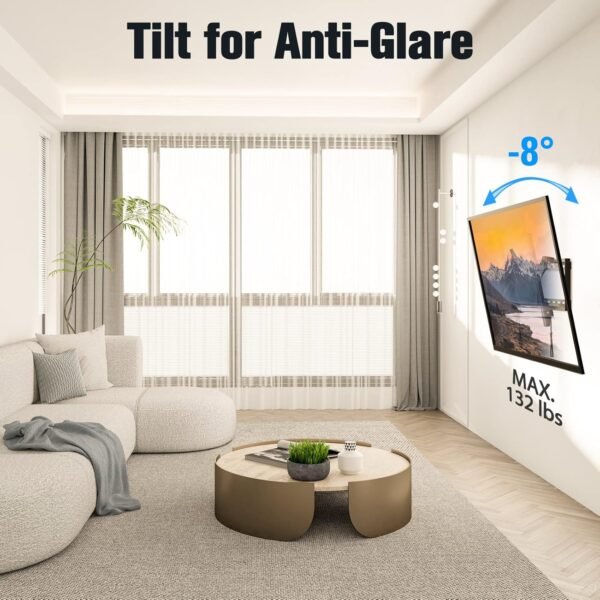
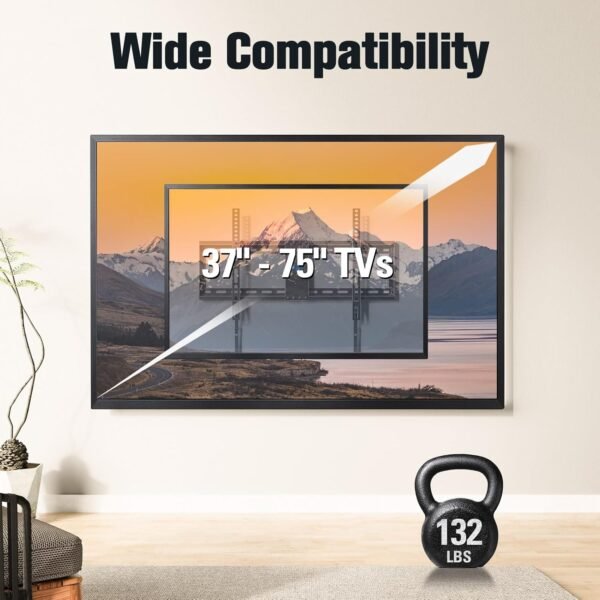
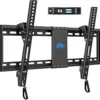
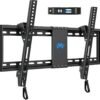
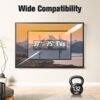
Testing the Mounting Dream UL Listed TV Mount for Most 37-75 Inch TV revealed several strong points that caught my attention right away. Its compatibility with a wide range of TVs, especially those between 37 to 75 inches and weighing up to 132 pounds, means it can handle most of the TVs my friends and family have at home. The max VESA pattern of 600 x 400mm covers nearly all standard mounting hole configurations, which saved me a lot of hassle trying to figure out fitment issues. The mount’s universal tilt feature, allowing the TV to tilt forward up to 8 degrees, was surprisingly effective at reducing glare from my big living room window. This tilt adjustment made binge-watching much more comfortable without the annoying reflections I usually get.
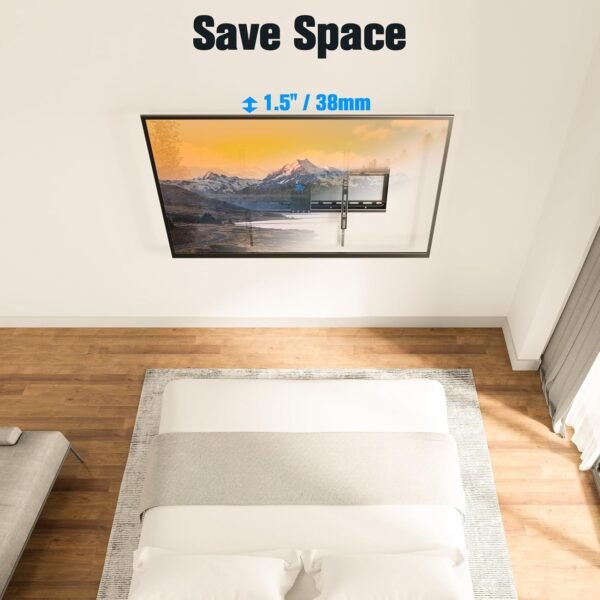
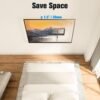
The low-profile design impressed me as well—it keeps the TV just 1.5 inches from the wall, which looks sleek and modern. My partner appreciated how much wall space it freed up, making the living room feel less cluttered. Installation was fairly straightforward with the included level and clear instructions; I managed to get it up in just a few simple steps. The mount held the TV securely without any wobble, and the wood stud spacing compatibility of 16, 18, or 24 inches made it versatile enough for different home setups. The overall build feels solid and sturdy, which gave me confidence in the mount’s durability.
- Supports TVs from 37-75 inches and up to 132 lbs
- Compatible with 16″, 18″, and 24″ stud spacing
- Low-profile design keeps TV close to the wall (1.5 inches)
- Tilt feature reduces glare by up to 8 degrees
- Clear instructions make installation simple and fast
Areas for Improvement
No product is perfect, and this mount has a few quirks worth noting. Despite the solid construction, the lack of detailed hardware for concrete or brick walls was a downside for me. The package doesn’t include heavy-duty anchors, though the manual mentions you may need 10x50mm concrete anchors, which must be sourced separately. This extra step complicates installation if drywall isn’t your mounting surface. Also, while the tilt helps reduce glare, the limited 8-degree tilt might not be enough for some rooms with extreme lighting angles or unconventional furniture arrangements.
I also noticed that the mount’s weight of 5.68 pounds makes it slightly heavier than some other ultra-light mounts, which can be a consideration if you’re doing the installation solo or have fragile walls. The overall design is functional but lacks swivel or full-motion features, which limits how much you can adjust the TV angle side to side. For users wanting a more dynamic setup, this mount might feel a little restrictive.
- No included concrete anchors, which complicates non-drywall installation
- Tilt limited to 8 degrees, may not suit all glare issues
- Heavier mount can be tricky to handle alone
- No swivel or full-motion adjustment options
Installation Experience and Usability
I found the installation process to be quite user-friendly, especially with the built-in level that ensured the TV was perfectly straight without multiple adjustments. The instructions are clear and, despite the mount’s weight, I was able to handle the setup without professional help. The mount’s design is well thought out for wood stud mounting, and the ability to fit various stud spacings meant I didn’t have to patch and re-drill holes, which saved time and effort.
My brother, who struggles with DIY projects, even helped me out and felt confident following the instructions. However, the absence of hardware for concrete walls means that anyone with masonry surfaces will face a bit more work. The mount’s flat, close-to-the-wall profile means it’s easy to clean behind the TV, which I appreciated, especially since dust tends to accumulate fast in entertainment centers.
Value Proposition
Considering what’s on offer, this mount delivers significant value for money. Its combination of high weight capacity and broad TV size compatibility means you’re unlikely to outgrow it anytime soon. Compared to other mounts in the same category, this one strikes a good balance between durability and affordability. While it lacks fancy motorized adjustments or extended swivel ranges, it covers the essentials well without breaking the bank.
The tilt capability and space-saving design add to the practical benefits, making it a smart choice for those who want a clean, modern look without excessive bulk. Given the extensive customer reviews and a solid 4.7-star rating out of over 111,000 reviews, it’s clear many users find it worth the investment.
Product Rivals and How This Mount Stacks Up
Comparing this mount to some popular competitors like the Sanus VMPL50 or the VideoSecu ML531BE, I noticed some distinct differences. The Sanus model offers more tilt range and some swivel, but it comes with a higher price tag and a bulkier profile. The Mounting Dream wall mount edges it out on low-profile design and ease of installation, especially for those with standard drywall and wood stud walls.
The VideoSecu mount is slightly more budget-friendly but doesn’t support as heavy TVs or as large sizes, so it falls short if you have a bigger screen. What stands out most about this mount is its robust build quality and excellent weight capacity, which make it a top choice for heavier, larger TVs that some competitors might struggle to hold safely. However, if you need full motion or extended swivel, the Mounting Dream mount isn’t the most flexible option available.
Design and Build Quality
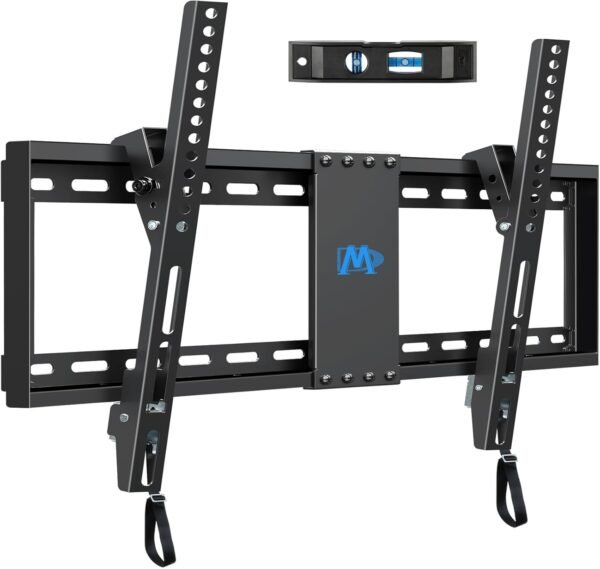
The solid steel construction feels reassuring every time I glance at it mounted on the wall. Despite weighing a bit more than ultra-light alternatives, the sturdiness is evident in the way it holds the TV without any flexing or creaking. The black powder-coated finish looks sleek and resists scratches, which keeps the mount looking sharp even after some accidental bumps during setup.
The design favors simplicity and durability over flashy features. The mounting plate and arms are well engineered to distribute the TV’s weight evenly, reducing stress on the wall studs. I especially liked how the mount fits flush with the wall, a design choice that visually minimizes the TV’s footprint and improves the room’s aesthetic.
User Experience and Practical Considerations
Beyond installation, living with the mount installed has been a positive experience. The TV feels secure, and I never worry about it tipping or loosening. The tilt adjustment is easy to use, with a firm hold at every angle, so it doesn’t shift accidentally. My kids even complimented how “cool” the TV looks like it’s floating on the wall.
However, the mount’s lack of swivel means that if you want to watch TV from different parts of a large room, you may need to adjust your seating rather than the screen angle. Also, some users might find the tilt range limiting if they have strong overhead lights or windows causing glare from other angles. Keep in mind that the mount is designed strictly for wall mounting and isn’t suitable for ceiling installations or unusual mounting surfaces.
This TV wall mount combines strength, simplicity, and practicality in a package that’s easy to recommend for most users looking to mount mid-to-large size TVs securely and neatly. It’s not flashy or loaded with fancy features, but its solid build and thoughtful design make it a reliable choice for everyday use.


