
Description
Pluses of the Anti-Bark Device: What Makes It Stand Out
Testing this sonic dog repeller revealed several impressive features that truly caught my attention. For starters, the ultrasonic frequency range from 25KHz to 40KHz works effectively without harming dogs, which is a huge relief for any pet owner concerned about safety. The ability to switch between two sonic modes—a steady low-frequency and an undulating high-frequency—adds versatility, making it easier to tailor the training or deterrent effect. The built-in LED burst light also proved useful during evening walks, providing a dual function of illumination and safety.
- 50 feet effective range ensured I could control barking even at a distance.
- The compact, pocket-sized design made it extremely portable and convenient to carry during outings.
- Rechargeable 800mAH Li-ion battery with a quick 30-minute charge time lasting up to 60 days impressed me the most.
- Offers a humane alternative to shock collars—no pain, just a safe ultrasonic signal.
Pitfalls of the Ultrasonic Dog Trainer: Some Things to Keep in Mind
Despite the many perks, a few drawbacks surfaced during my time with this device. The sound frequency, although safe, might not be equally effective on every dog breed or temperament, which means results may vary widely. Some of my friends mentioned that their more stubborn or older dogs barely reacted to the sound waves. Another minor annoyance was the plastic casing, which, while sturdy, feels a bit cheap compared to pricier models. Lastly, the device’s LED light, while handy, can be a little too bright and might spook smaller dogs temporarily.
- Effectiveness depends heavily on individual dog sensitivity.
- The plastic exterior could benefit from a more premium finish.
- LED light may cause unintended reactions in timid dogs.
Design and Build Quality: Compact but Functional
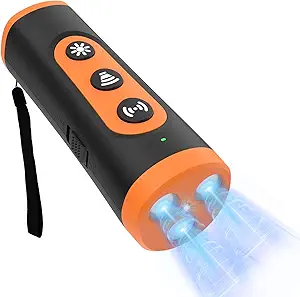
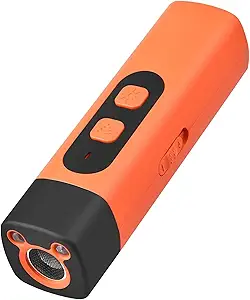
The design of this dog bark deterrent device surprised me with its balance between aesthetics and practicality. Sized at around 4.33 x 1.18 x 1.18 inches, it slipped easily into my jacket pocket or the side pouch of my backpack. The bright orange color enhances visibility, which I appreciated to avoid misplacing it during outdoor activities. The buttons feel tactile and responsive, allowing quick switching between modes. However, the glossy plastic does pick up fingerprints and scratches quite easily, which might bother those who prefer a pristine look over time.
The inclusion of a USB Type-C charging port felt modern and convenient, especially since I didn’t have to hunt for proprietary cables. The sturdy casing withstands accidental drops well enough but doesn’t quite have the ruggedness of some higher-end competitors. Overall, the design serves its function effectively without unnecessary bulk.
Performance in Real-World Use: How It Handles Barking and Behavior Control
I tested the device across different environments—busy parks, quiet neighborhoods, and during visits to friends’ homes with multiple dogs. The ultrasonic waves were generally successful in catching dogs’ attention and disrupting unwanted behaviors like barking, digging, and jumping. The two-mode sound settings allowed me to choose a gentler approach for daily training or a stronger deterrent for immediate intervention.
One memorable moment was when a neighbor’s overly vocal dog started barking excessively. A quick press of the high-frequency mode stopped the noise almost instantly, which impressed everyone present. That said, I noticed some dogs required repeated exposures before responding consistently, suggesting patience is necessary for training success.
Value Proposition: Is It Worth the Investment?
Considering the features packed into this FRIENGOOD Dog Sonic Bark Deterrent, its price performance ratio seems reasonable. The rechargeable battery lasting up to 60 days on a single charge alone adds tremendous value, cutting down on the hassle and recurring costs of disposable batteries. Portability combined with a 50-foot effective range makes it ideal for both indoor and outdoor use.
Compared to other ultrasonic bark control tools I’ve encountered, this one hits a sweet spot between affordability and functionality. While it’s not the fanciest or most durable model in the market, its combination of safe ultrasonic frequencies, dual sound modes, and LED safety features make it a strong contender for pet owners seeking humane training options without breaking the bank.
Product Comparisons: How It Stacks Up Against Rivals
In comparison to other popular ultrasonic dog trainers like the PetSafe Outdoor Ultrasonic Bark Control and the DogRook Bark Control Device, this model holds its ground well. Unlike some competitors that only offer a single frequency, the dual-mode ultrasonic sound of this device prevents dogs from habituating to one tone, which I found particularly useful.
However, the PetSafe model boasts a slightly longer range and more rugged build quality, making it better suited for harsh outdoor conditions. Meanwhile, DogRook offers a similar compact design but lacks a rechargeable battery feature, requiring frequent battery replacements. My experience suggests the FRIENGOOD device shines in battery life and versatility but could improve on durability.
User Experience: How Family and Friends Reacted
I wasn’t the only one testing this gadget; my sister, who has two lively beagles, also gave it a shot. She appreciated the non-invasive approach, especially since her dogs are sensitive to loud noises and physical corrections. The device helped curb their barking during visitors’ arrivals, which brought some peace to her household.
My coworker, who walks his dog daily in a busy urban park, mentioned how the LED light added an unexpected safety layer during nighttime walks, something he hadn’t considered before. On the flip side, his larger, more stubborn dog seemed less bothered by the ultrasonic sound, indicating the need for complementary training methods.
Features and Usability: What’s Inside and How It Works
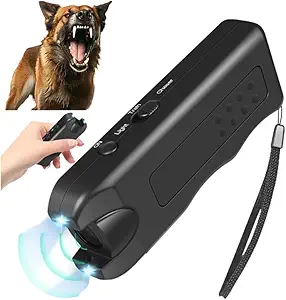
This portable bark control device includes a USB cable and user manual, making setup straightforward. Operation involves simply pressing the button to emit ultrasonic waves at the target dog, with the option to toggle between steady and undulating sound waves. The humanized bark alarm mode frees dogs from the shock collars, offering a humane training alternative.
The two sonic modes target different behavioral issues, from everyday barking control to repelling aggressive dogs. The flashing LED light doubles as a deterrent and a safety aid during low-light conditions. Charging is quick, and the device’s weight of under 2 ounces means carrying it all day isn’t a burden. Overall, the intuitive design and clear instructions make this product accessible even for novice dog trainers.