



Description
Highlights of the NEO CHAIR Mesh Chair: Comfort Meets Functionality
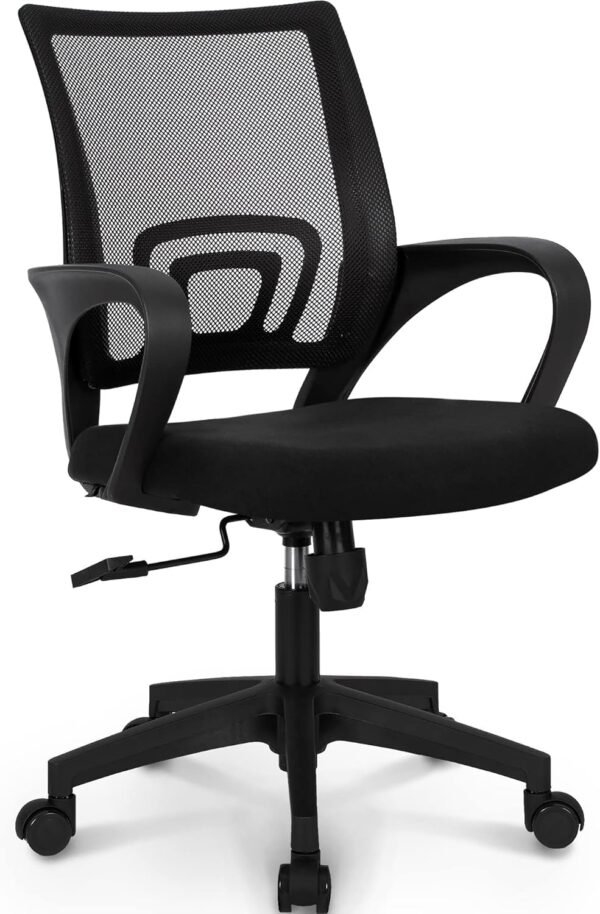
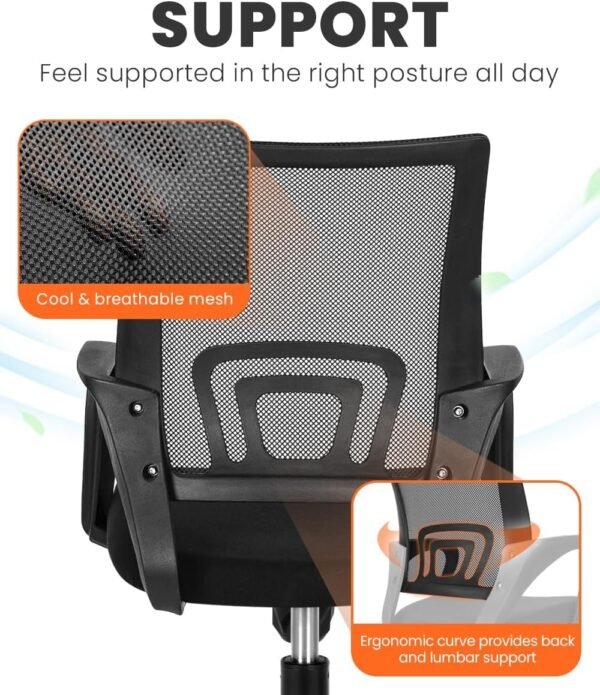
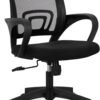
Trying out the NEO CHAIR Office Desk Computer Chair Ergonomic Mesh Gaming Mid Back Seat was quite an experience because it combines several features I value in a home office or gaming chair. The high-quality mesh backrest really stands out by allowing excellent airflow, which kept me cool even during extended sessions. The built-in lumbar support isn’t just a marketing buzzword—it genuinely encourages a healthier posture, reducing the usual back strain I get after hours at the desk. Adjusting the height and tilt is straightforward, and the 360-degree swivel adds convenience, especially when multitasking between different parts of my workspace. The foam sponge cushioning is firm yet comfortable, cradling my body without making me feel like I’m sinking in.
- Breathable mesh fabric for optimal ventilation
- Ergonomic lumbar support for posture correction
- Adjustable height, tilt, and swivel functions
- Thick foam cushioning for sustained comfort
Drawbacks to Consider Before Purchasing
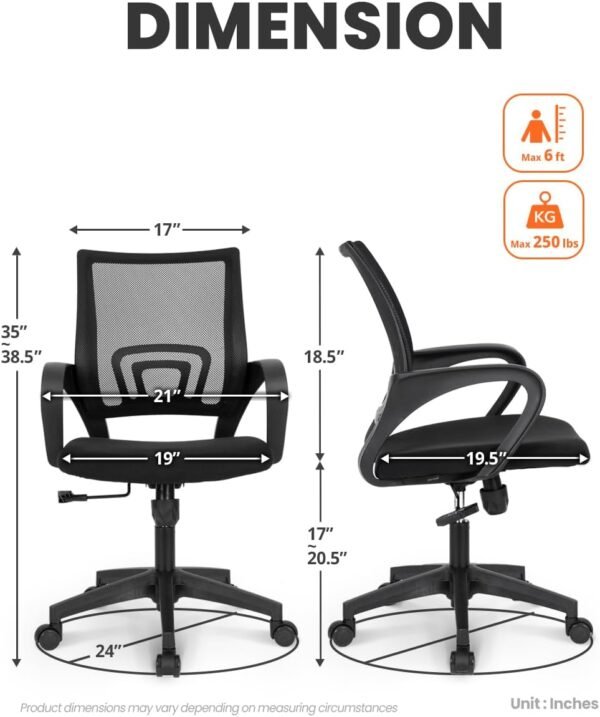
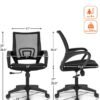
Despite many positives, this chair isn’t flawless. The seat depth and width felt a bit snug for someone larger, as the dimensions are around 22 inches wide and 22 inches deep. Anyone above average size might find themselves wishing for more room. The plastic finish on the base and armrests can feel less premium compared to metal or padded alternatives, which might impact durability over time. Another point worth mentioning is the limited recline options, with just a single reclining position that isn’t very adjustable; this could be a downside if you prefer reclining chairs for relaxation breaks. The weight capacity maxing out at 250 pounds might also exclude some users, so it’s important to keep that in mind.
- Seat size might be tight for larger users
- Plastic armrests and base feel less durable
- Reclining options are quite limited
- Maximum weight capacity could be restrictive
Ergonomics and Build Quality: A Closer Look
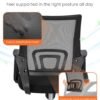
Using this chair daily, I noticed how its ergonomic design truly supports long hours of sitting without the usual discomfort. The lumbar support is sculpted well to fit the natural curve of the spine, which is a blessing for my lower back that tends to ache after prolonged desk work. The breathable mesh back is another highlight; it eliminates the sweaty back experience common in many office chairs. Constructed with SGS and BIFMA certified materials, the chair feels sturdy despite its relatively light weight of 18.7 pounds. The FSC-certified wood inside the cushion’s support structure is a nice touch, adding eco-conscious value to its build. Maintenance is easy—I just wipe it clean with a damp cloth, and it looks as good as new.
Practicality in Everyday Use
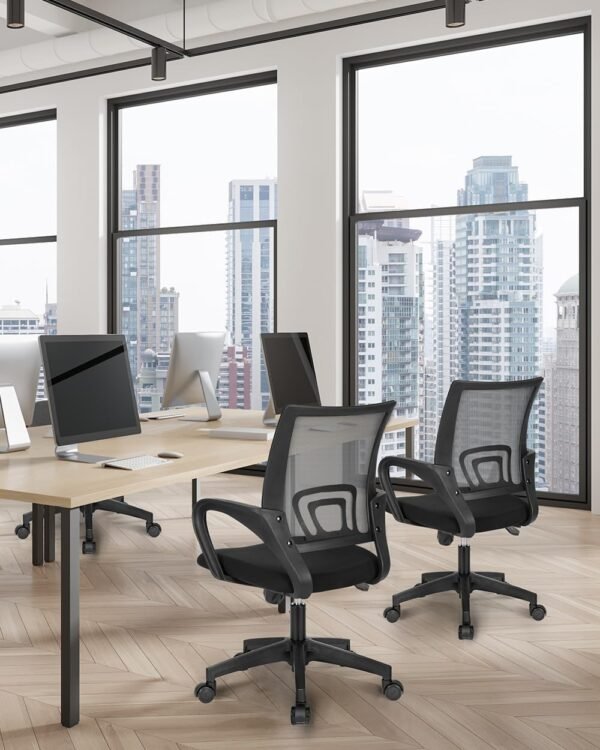
For my home study room and gaming setup, this chair ticks many boxes. The swivel feature makes reaching for books or gaming gear effortless without straining, and the adjustable height ensures my feet stay flat on the floor, which helps me maintain good circulation. The armrests sit at a moderate height of 24.5 inches, which suits my desk layout well, but people with taller desks might need to double-check compatibility. I also found the tilting mechanism smooth, though it only locks in one position, so it’s not ideal if you want to change postures frequently. The chair’s modern style with a solid black color fits seamlessly into different room decors, from a minimalist office to a cozy bedroom setup.
Comparing This Chair to Other Popular Options
The mid-back mesh chair stands out when stacked against other budget-friendly office chairs. Compared to pricier models like Herman Miller or Steelcase, it lacks advanced customization and premium materials but delivers solid comfort and ergonomics for its price range. Unlike some competitors, its mesh back breathability surpasses the vinyl or leather alternatives, which can trap heat. However, rivals often offer more recline angles and padded armrests, areas where this model falls short. For gamers, the chair strikes a good balance between style and function without overdoing flashy aesthetics or excessive bulk. Its certifications for safety and durability also give it an edge over cheaper, uncertified alternatives.
Value Proposition: Is It Worth the Investment?
Assessing the price to quality ratio, this chair offers a smart spending option for those needing a reliable, ergonomic seat without shelling out for luxury brands. The adjustability features cover most basic needs, and the quality mesh and foam padding enhance comfort for extended use. While it might not satisfy power users looking for premium materials or extensive customization, it holds its own in delivering essential ergonomic support and durability. For casual office work, gaming, or study, it provides affordable quality that’s hard to beat in this segment. The moderate weight and compact footprint make it a practical choice for smaller rooms or apartments as well.
Perks That Make It Stand Out
The NEO CHAIR mesh chair offers some clear advantages that justify considering it for home or office use:
- Ergonomic lumbar design that genuinely supports posture
- Breathable mesh backrest keeps users cool and comfortable
- Adjustable height and smooth swivel enhance usability
- Certified materials ensure safety and durability
Friends who tried sitting on it immediately noticed the comfort level and commented on how the chair felt more “professional” compared to their usual bulky gaming chairs. My partner appreciated how easy it was to adjust, making the chair a shared asset in our home workspace.
Areas for Improvement
Despite its strengths, the chair has room to grow in a few areas:
- Limited recline settings reduce versatility
- Smaller seat dimensions may not fit all body types comfortably
- Plastic finish can appear less premium and might wear faster
- Armrest padding is nonexistent, which may affect long-term comfort
These shortcomings don’t ruin the experience but are worth considering depending on your specific needs.
The NEO CHAIR Office Desk Computer Chair Ergonomic Mesh Gaming Mid Back Seat impresses with its breathable design, supportive lumbar feature, and reliable construction. While it may not be the ultimate gaming throne or executive chair, it offers solid ergonomics and functionality that suit a wide range of users looking for affordable, comfortable seating in their home office or gaming space.