
Description
Positive Features That Made a Difference
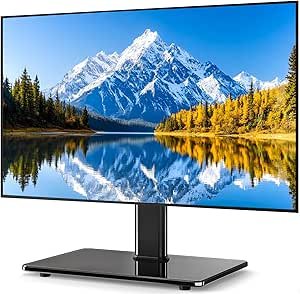
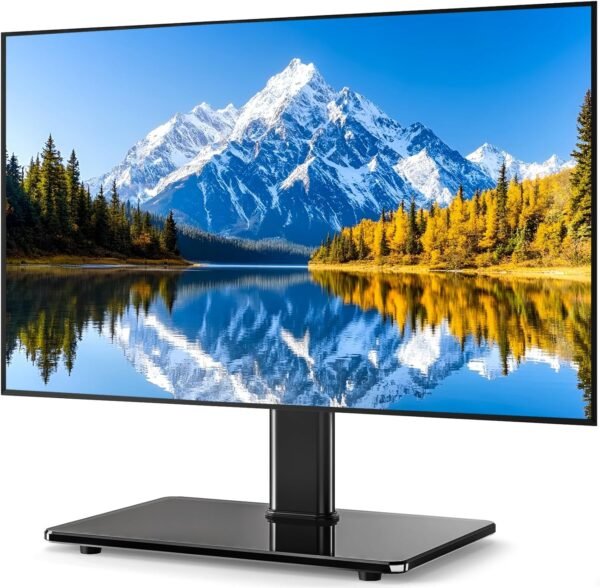
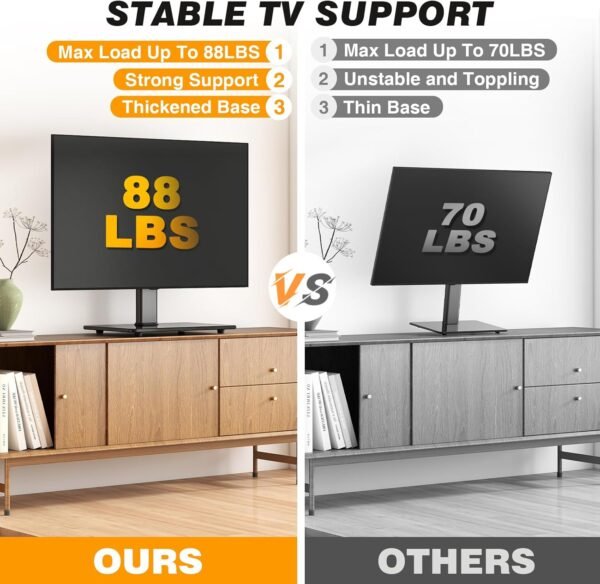
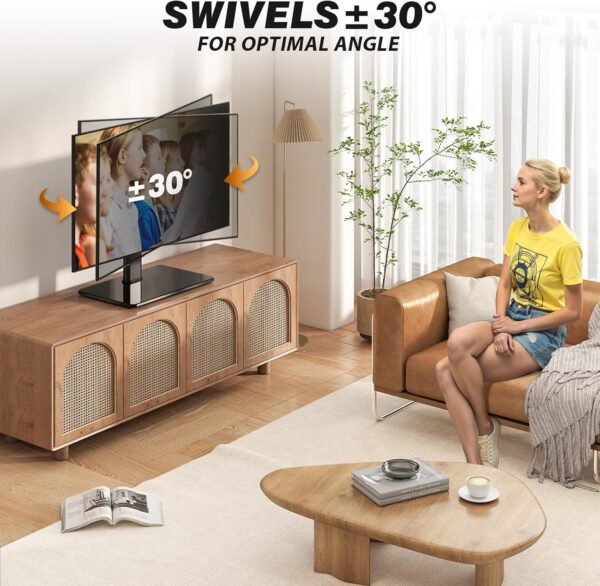
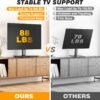
Testing the 5Rcom Universal Swivel TV Stand for 27-60 inch Curved/Flat Screen TVs revealed several standout qualities that genuinely enhanced my viewing experience. Its compatibility with a wide range of TV sizes—from 27 to 60 inches—means it fits nearly any screen in my house, including the curved and flat ones. Supporting up to 88 lbs with a VESA max of 400x400mm ensures stability even for heavier models, which gave me confidence in its durability. The swivel functionality, allowing a full 60° turn (30° left or right), made family movie nights more enjoyable since everyone could get a perfect view from any angle without rearranging furniture.
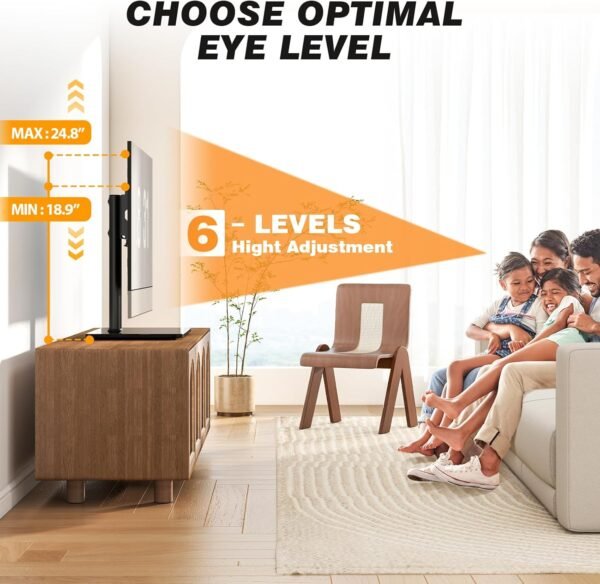
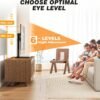
Adjusting the height was a breeze due to the six height settings ranging from 18.5 to 24.4 inches, which helped align the TV perfectly with my eye level, reducing neck strain during long binge sessions. The tempered glass base not only looks sleek but also adds extra sturdiness, while the non-slip pads protected my tabletop from scratches—something I appreciated since I’m particular about maintaining my furniture’s condition. The built-in cable management system kept wires neat and out of sight, which made my entertainment area less cluttered.
- Supports TVs up to 88 lbs with a sturdy tempered glass base
- Swivels 60° for optimal viewing angles across the room
- Six adjustable height levels for ergonomic comfort
- Compatible with most 27” to 60” LCD, LED, and curved TVs
- Cable management keeps cords organized and hidden
Areas for Improvement
Despite the many strengths, some aspects of this TV stand could be better. The assembly instructions could be clearer; although the process was straightforward, some of the diagrams left me guessing at first, which slowed down setup. For users who aren’t handy or familiar with mounting hardware, this might lead to frustration. Another point is the weight of the stand itself—about 8.6 pounds—which is manageable but a bit heavy for quick relocation. Moving the setup around the room requires two hands or a bit of effort, especially when the TV is already mounted.
The swivel mechanism, while smooth, has a slight resistance that feels a bit stiff on the first few turns. This resistance decreases with use but might annoy those who expect effortless motion right away. Also, the base, although wide and stable, takes up more tabletop space than I anticipated, which could be a downside for those with limited furniture surface area. Lastly, the black metal finish shows fingerprints and dust quite easily, so frequent cleaning is necessary to maintain its sleek look.
- Assembly instructions could be more detailed
- Stand is somewhat heavy for quick moves
- Swivel mechanism initially stiff, requires breaking in
- Base occupies considerable tabletop space
- Black finish attracts fingerprints and dust
Design and Build Quality
Constructed from high-quality steel and tempered glass, this table top TV stand strikes a balance between modern aesthetics and rugged durability. The design is minimalistic but functional, complementing various room decors without drawing too much attention. The glass base, which is thicker and wider than many competitors’, adds to the overall stability and prevents wobbling even with larger screens. I noticed the non-slip pads on the bottom do an excellent job protecting surfaces and keeping the stand firmly in place, which is crucial for homes with kids or pets.
The adjustable height functionality is thoughtfully engineered. Changing heights involves loosening a few screws and sliding the mount to the desired level, then tightening back securely. While this isn’t a tool-free adjustment, it’s still quick and hassle-free. The swivel feature is integrated seamlessly into the mount, with a solid feel that reassures me the TV won’t wobble unexpectedly. Overall, the build quality feels premium considering the price point, giving me confidence it will hold up over time.
Versatility and User Experience
This stand fits a variety of environments—from apartments to home theaters and offices—thanks to its universal compatibility and adjustable features. I tested it with multiple TVs, including a curved LED and a flat LCD, and it worked perfectly in both cases. The ability to swivel the TV left or right by 30 degrees made it easy to share the screen with guests or adjust the angle to reduce glare from windows during daytime viewing.
The cable management system at the back is a simple yet effective touch. Routing cables through the mount’s channels keeps everything tidy and prevents tangling, which is a lifesaver in my clutter-prone media corner. My coworkers who saw this setup were impressed by how clean it looked, which made me appreciate this feature even more. Although the height adjustment is manual, it’s practical and suits different seating arrangements, a feature that helped reduce eye and neck strain during long gaming sessions with my kids.
Product Comparisons
Compared to other popular TV stands in the same category, this swivel stand holds its own in several key areas. Brands like FITUEYES and VIVO offer similar models, but the 5Rcom stand’s wider tempered glass base provides noticeably better stability. Some competitors also lack the full 60° swivel range, limiting viewing flexibility. However, some alternatives come with quicker, tool-free height adjustments, which this one doesn’t offer.
In terms of design, the tempered glass base looks more premium than the plain metal or plastic bases of many rivals, giving it a sleek, modern vibe. It’s also built to handle heavier TVs up to 88 lbs, which not all competitors can claim. On the downside, some rival models come with built-in shelves or additional storage options, which this stand lacks. For those who want a minimalist table top mount without extra bulk, this product is a solid choice, but it may fall short for users needing storage solutions.
Price Performance
Evaluating its price to quality ratio, the stand offers excellent value for money considering its durable materials, adjustable height, and swivel features. It’s not the cheapest on the market, but the build quality and versatility justify the investment. Many budget stands lack the tempered glass base and robust weight capacity, so this one feels like a wise purchase for serious TV users who want stability and flexibility without breaking the bank.
Given the ease of assembly and thoughtful cable management, it saves time and hassle compared to more complex mounts. For anyone hunting for a budget-friendly but sturdy universal TV stand that can handle a range of TVs and viewing angles, this product is definitely worth considering. Its combination of style, function, and durability makes it stand out at this price point, especially for apartment dwellers or those with limited space.
Downsides to Keep in Mind
The weight and size of the base could be problematic for smaller tables or lightweight furniture. I had to rearrange some items to accommodate it comfortably. The initial stiffness of the swivel feature might turn off users expecting effortless motion from the start, although it does loosen up with regular use. Fingerprints and dust show up quickly on the black metal surfaces, so if you’re a neat freak like me, prepare for frequent cleaning. Lastly, the assembly instructions could have been clearer, as some steps required trial and error.
- Takes up more tabletop space than expected
- Swivel mechanism needs break-in period
- Black finish prone to fingerprints and dust
- Assembly instructions could be clearer
Alternative Offerings
Considering other options, many consumers lean toward brands like FITUEYES, VIVO, and Perlesmith for similar swivel TV stands. While these brands often offer comparable features, the tempered glass base and wider footprint of this stand provide superior stability. However, competitors sometimes offer additional perks like tool-free height adjustments or extra shelving for media equipment, which this model lacks.
For users prioritizing a minimalist and sturdy stand with a wide swivel range, this product is a great pick. On the other hand, those wanting extra storage or quicker adjustability might find better fits among the alternatives. The price point is competitive, but some rivals may undercut slightly or include bonus features that appeal to specific needs. Overall, the balance of durability, flexibility, and cable management makes this stand a strong contender in its category.