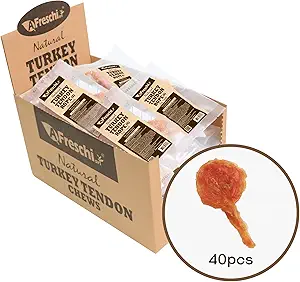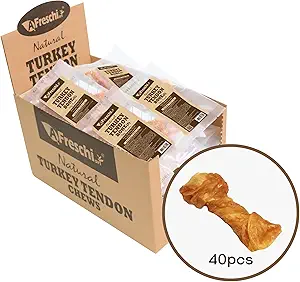



Description
Positive Features of the Afreschi Natural Turkey Tendon Bone
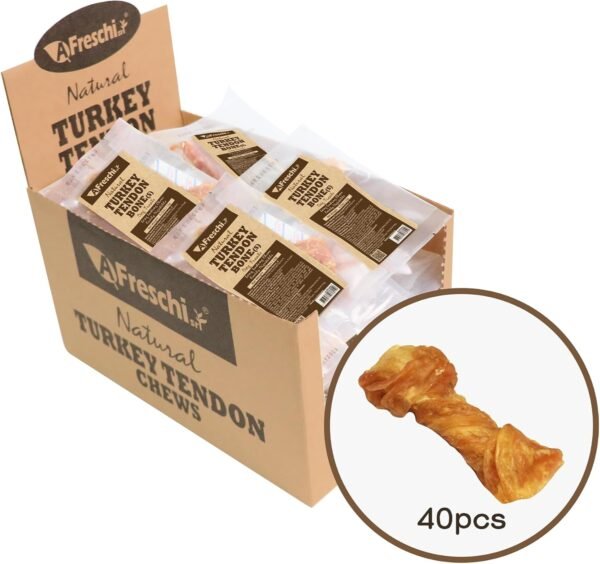
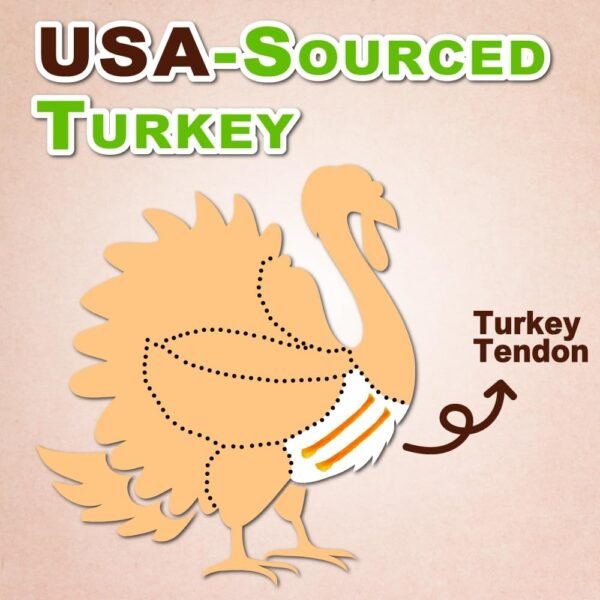
Testing the Afreschi Natural Turkey Tendon Bone (S) 40 Units/Box on my energetic pup revealed several standout qualities. The USA-sourced turkey tendons impressed me right away, providing a high-protein, natural treat that felt safe and wholesome. My dog is a moderate chewer, and these bones offered a satisfying, chewy texture that kept him engaged for a good while without turning into a mess of crumbs or dust. The rich meaty flavor definitely hit the mark, as he eagerly gnawed away every time I handed him a new tendon.
Digestibility is a big deal in my household because my dog has a somewhat sensitive stomach. These chews were noticeably easier on his digestion compared to other tendon or rawhide products we’ve tried. The absence of grains, fillers, and artificial additives meant fewer tummy upsets and zero allergic reactions, which I appreciate as a pet owner always on the lookout for hypoallergenic options.
- Made from 100% natural USA-sourced turkey tendons
- Gentle on sensitive stomachs and easy to digest
- Grain-free, rawhide-free, and allergen-conscious
- Promotes natural dental health by reducing plaque and tartar buildup
Limitations to Keep in Mind
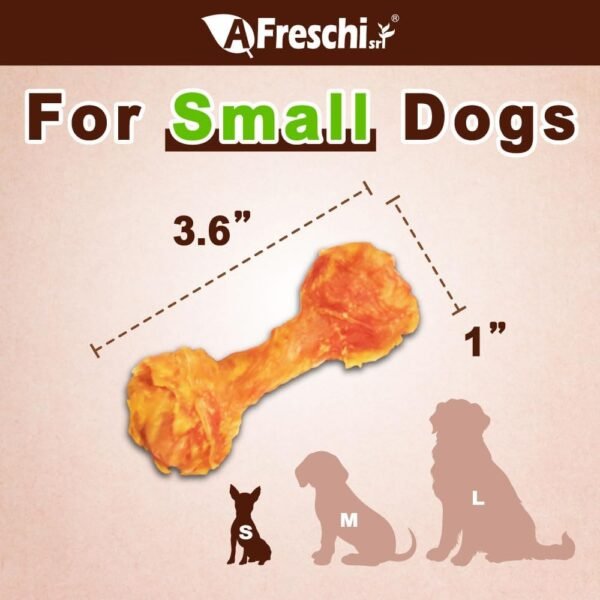
While my pup generally loved these treats, a few things stood out that made me cautious. The size of these turkey tendon bones is labeled “small,” but if your dog is a very aggressive or large chewer, these might not last very long, and supervision is definitely necessary. I caught myself watching closely during chew sessions to avoid any choking hazards, since the tendons can sometimes splinter into smaller pieces.
Another point worth mentioning is the price point relative to other dog chews on the market. Although the quality is undeniable, buyers on a budget might find these a bit on the higher end, especially given that the box contains 40 pieces. If your dog treats are a daily staple, costs could add up over time.
- May not be suitable for very aggressive chewers or large breeds without supervision
- Higher price point compared to generic or bulk tendon treats
- Small tendons could pose choking risk if not monitored carefully
Natural Dental Care Benefits
One feature that genuinely surprised me was how well these tendons helped with my dog’s oral hygiene. Regular chewing on these bones visibly reduced tartar and plaque buildup, making them a fantastic natural dental care alternative to traditional bully sticks or dental chews that sometimes contain chemicals. My vet even commented on the improvement during the last checkup, noting cleaner teeth and fresher breath.
The texture and toughness are just right—not too hard to risk tooth damage, but firm enough to encourage persistent chewing. This combination makes these treats a practical solution for maintaining dental health while keeping dogs entertained and satisfied.
Versatility for All Life Stages and Breeds
The product’s packaging and details mention suitability for all dog breeds and life stages, which aligns with my experience. My adult dog and a friend’s younger puppy both enjoyed these treats without issue. The puppy seemed to find the chew easier on gums during teething, while the adult dog appreciated the flavor and texture for longer-lasting enjoyment.
This wide applicability is a plus for households with multiple dogs or those looking for a one-size-fits-all treat. The hypoallergenic nature also makes it a safe bet for dogs with food sensitivities or allergies, a huge relief for pet owners like me who have struggled with limited treat options in the past.
Competitive Options in the Market
Compared to other popular tendon or rawhide alternatives, this product shines in a few key areas. Its hypoallergenic profile and lack of artificial fillers put it a notch above many treats that can trigger allergies or digestive issues. While bully sticks are often praised for flavor, they sometimes come with a stronger odor and higher risk of splintering, which these turkey tendons seem to avoid.
On the downside, some competitors offer larger chew sizes or different flavors, which might appeal more to dogs bored by a single option. Brands like Whimzees and Bully Sticks USA provide alternatives with a broader range of textures and sizes. However, when focusing on natural ingredients and digestive safety, this tendon chew holds its ground firmly.
Value Proposition and Cost-Efficiency
Assessing the price-to-quality ratio, I find this product to be a fair investment for pet owners prioritizing natural, safe ingredients and dental benefits. Although pricier than some generic options, the quality and health advantages justify the expense for many.
If your dog has allergies or sensitive digestion, paying a bit more to avoid vet visits or digestive upsets is a smart move. Additionally, the long-lasting chew factor means fewer treats consumed in a day, stretching the value further. The box of 40 pieces is convenient for stocking up without frequent repurchasing.
Design and Packaging Details
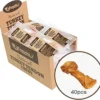
The packaging is straightforward and practical, with dimensions that make storage easy on a shelf or in a pantry. The box size (11.18 x 6.57 x 6.54 inches) holds 40 tendons neatly, and the individual tender length and thickness seem well-suited for small to medium dogs.
I appreciate the clear instructions on supervision and allergy warnings, which show the manufacturer’s responsibility. The 21.2 ounces item weight feels substantial for the quantity provided. My dog’s chew sessions were mess-free, and storage was hassle-free, keeping the product fresh and ready to go.
My Dog’s Take and Family Feedback
Watching my dog’s enthusiasm for these chews was the best part of the testing. He eagerly grabbed the treat every time and seemed content for longer stretches, which meant less destructive chewing elsewhere. My sister, who has a picky dog, also noticed her pup’s tail wagging faster at the sight of these tendons.
Family members with dogs suffering from allergies or sensitive stomachs found relief, appreciating that these treats didn’t cause any digestive upset. Often, treats that promise natural ingredients don’t deliver on taste, but these hit the right balance between health and flavor.
Images for reference: