
Description
Positive Features of the Chicken Recipe Chew
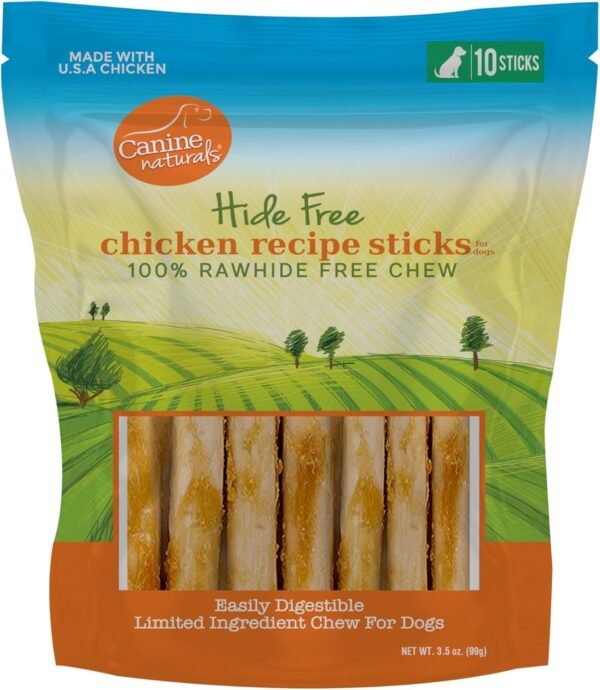
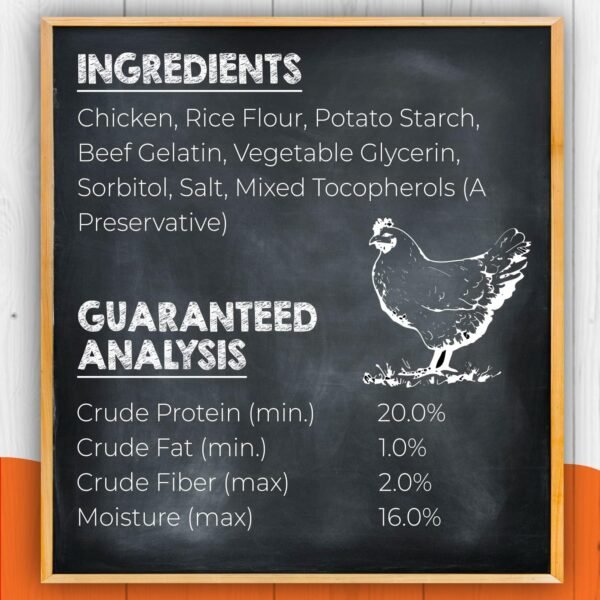
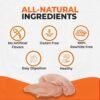
Testing the Canine Naturals Chicken Recipe Chew – Rawhide Free Dog Treats – Made From USA Raised Chicken – 10 Count of 5 Inch Stick revealed several outstanding qualities. One thing that stood out immediately was the 100% rawhide and collagen-free formulation. Unlike many chews that claim to be hide-free but still use collagen derived from animal hide, this product is genuinely free from those by-products. This makes a huge difference for dogs prone to digestive issues. The limited ingredient recipe, lab-tested to be up to 400% more digestible than rawhide-based chews, gave me confidence in its safety and quality.
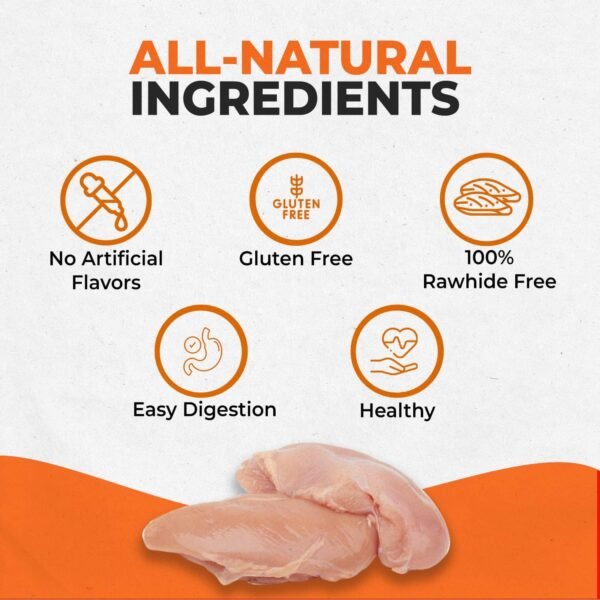
My dog, who tends to be a bit picky, loved the real chicken flavor, which comes from whole muscle meat sourced in the USA. The sticks are also gluten-free and contain no artificial flavors, colors, or fillers like corn, wheat, or soy, which is a relief for pet owners wanting to avoid unnecessary additives. Another highlight is how the chew promotes dental hygiene by naturally cleaning teeth and gums during chewing, a bonus I appreciated since it helps reduce tartar buildup.
- 100% free from rawhide and collagen by-products
- Highly digestible with limited ingredients
- Made from USA-sourced whole muscle chicken
- Gluten-free and free from artificial additives
- Supports dental hygiene while satisfying chewing instincts
Areas for Improvement
Despite the many benefits, a few limitations surfaced during use. The size of the 5-inch sticks is perfect for dogs up to 20 pounds, but larger breeds might find these a bit small and finish them too quickly, which could lead to swallowing small pieces — always a choking hazard. Although the packaging recommends monitoring dogs during chew time, I found that for very enthusiastic chewers, supervision is essential to prevent accidental swallowing of chunks.
The chew sticks tend to be a bit on the pricier side compared to some rawhide alternatives, which might deter budget-conscious buyers who prioritize quantity over quality. While the absence of filler ingredients is a positive, it also means the chew wears down faster than some rawhide chews designed for prolonged gnawing. This shorter chew time might disappoint dogs that love to chew for extended periods.
- Size may be inadequate for large or aggressive chewers
- Requires close supervision to avoid choking hazards
- Higher price point relative to rawhide alternatives
- Shorter chew duration compared to traditional rawhide
Digestive Health and Safety
One of the most compelling aspects of this chew is its digestibility, which significantly reduces the risk of gastrointestinal upset. I observed that my dog experienced no bloating, gas, or discomfort after enjoying these treats. This is a stark contrast to some rawhide products that have caused mild digestive issues in the past. The absence of artificial preservatives and fillers also supports overall digestive wellness.
My sister’s dog, who has a sensitive stomach, tolerated these sticks wonderfully. The limited ingredients and natural chicken recipe make this a safer option for dogs with allergies or food sensitivities. The chew’s texture encourages thorough chewing rather than gulping, which further aids digestion and reduces choking risks when properly supervised.
Design and Packaging
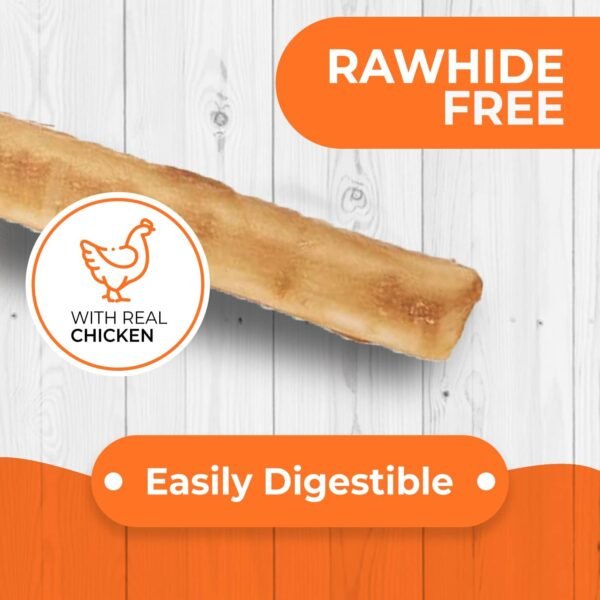
The sleek, tan-colored 5-inch sticks come in a convenient 10-count pack, which is easy to store and reseal. The compact packaging dimensions make it simple to stash in a drawer or take on trips. I appreciated the clear labeling emphasizing the rawhide-free promise, which is reassuring for anyone wary of traditional rawhide dangers.
The size and shape are ideal for medium and small breeds, fitting comfortably in their mouths. My coworkers, who own small dogs, mentioned how their pets enjoy the chew without the mess or unpleasant odors associated with some rawhide products. The sticks are firm enough to provide a satisfying chew but not so hard as to risk damaging teeth.
Price Worthiness and Value Assessment
In terms of value for money, the chews represent an investment in quality and safety. Although the price is higher than standard rawhide options, the benefits of better digestibility, absence of fillers, and USA-sourced chicken justify the cost for many pet parents. The peace of mind that comes from feeding a truly rawhide-free product is invaluable.
Compared to cheaper treats that often contain questionable ingredients, this product offers clean nutrition and a healthier chewing option. For dogs with food sensitivities or those prone to choking, the slightly higher price is a fair trade-off. It’s a budget-friendly choice for those prioritizing health over quantity.
Product Comparisons
Comparing this chew to popular competitors like traditional rawhide sticks or collagen-based chews from other brands shows clear differences. Many rawhide products last longer but carry risks of poor digestibility and choking hazards. Collagen chews often contain hidden animal hides, which can upset sensitive dogs.
This chicken chew stands out due to its transparent ingredient list and lab-proven digestibility advantage. Compared to brands that include fillers or artificial flavors, this product’s all-natural recipe is a definite plus. However, brands offering larger chew sizes or longer-lasting chews may appeal more to owners of larger or aggressive chewers.
- Safely digestible versus competitors’ rawhide and collagen chews
- Real chicken muscle versus by-product ingredients
- Shorter chew time but safer and healthier
- Preferred by dogs sensitive to fillers and artificial additives
Suitable Users and Recommendations
This product is best suited for small to medium-sized dogs, especially those with sensitive stomachs or dietary restrictions. I wouldn’t recommend it for dogs under 5 pounds or puppies younger than six months, as the package advises. Dogs who enjoy chewing but need a safer alternative to rawhide will benefit most.
Owners should always supervise their pets during chew time to ensure safe consumption. Feeding one to two sticks daily provides a rewarding treat while aiding dental care. The chew’s natural chicken flavor makes it an excellent option for picky eaters who often turn their nose up at other treats.
Benefits for Dental Care
Beyond being a tasty snack, these chews contribute significantly to dental hygiene. The firm texture helps reduce plaque and tartar buildup as dogs gnaw, promoting healthier teeth and gums. This is a welcome feature for anyone wanting to maintain their pet’s oral health without resorting to additional dental products.
My own dog seemed to enjoy the chewing process, which made dental care feel less like a chore. The long-lasting nature of the chew (relative to size) encourages extended chewing sessions, which helps mechanically clean teeth. This natural approach to oral health is a nice bonus that many pet treats don’t offer.
Testing the Canine Naturals Chicken Recipe Chew highlighted its genuine rawhide-free formulation, digestibility, and natural ingredients as major wins, while size limitations and price might be factors to consider. Its role in improving dental hygiene and being a safe treat for sensitive dogs makes it a solid choice for many pet owners seeking healthier chewing options.