Description
Positive Features of the DogRook Dog Bark Collar
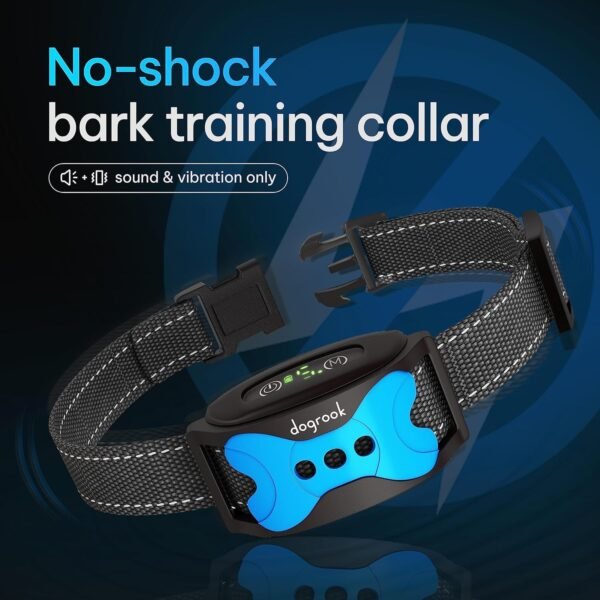
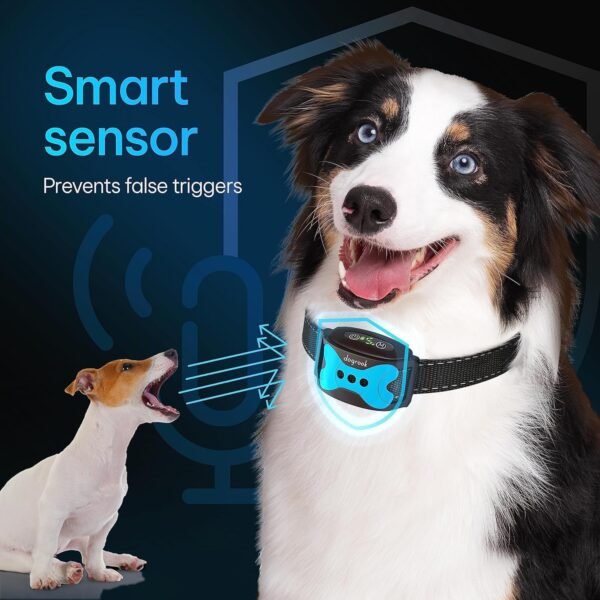
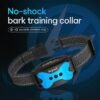
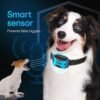
The DogRook Dog Bark Collar OB3 impressed me with its humane approach to dog training. Unlike many bark collars that rely on shock, this one uses vibration and beep sounds, which felt much gentler on my dog’s nerves. The smart sensitivity adjustment is particularly useful because it detects the unique pitch and tone of my dog’s bark, filtering out ambient noise. This means the collar doesn’t activate unnecessarily, which is a big win in my book. The customizable vibration modes and seven sound levels allow for a tailored training experience, which I found essential when working with dogs of different sizes and temperaments.
- No shock, humane training method
- Smart sensitivity microphone for precise bark detection
- Multiple vibration and sound settings for customization
Limitations to Keep in Mind
Despite the collar’s many merits, there are a few drawbacks worth mentioning. The battery life surprised me; although it claims up to 14 days per charge, intense daily use seemed to drain it faster. Also, the collar requires 2 AAA batteries, which are included but might be a slight inconvenience for those who prefer built-in rechargeable batteries. I noticed the nylon strap, while adjustable and sturdy, can be a bit uncomfortable for dogs with very sensitive skin, especially if worn for extended periods. Finally, the collar’s size adjustment maxes out at 22 inches, which might not fit very large or bulky breeds comfortably.
- Battery drains faster than advertised with heavy use
- Requires AAA batteries, not a built-in rechargeable system
- Nylon strap may irritate sensitive skin on long wear
- Limited strap length for very large dogs
Adjustable Fit and Versatility
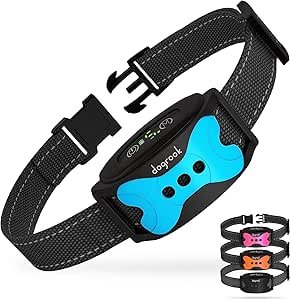
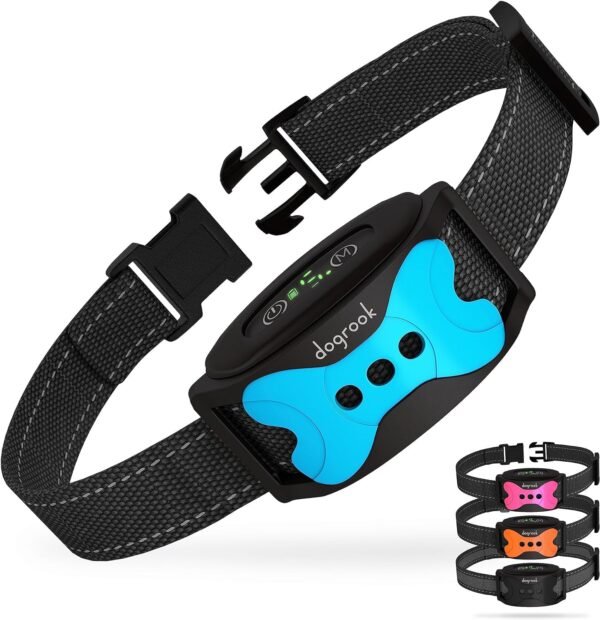
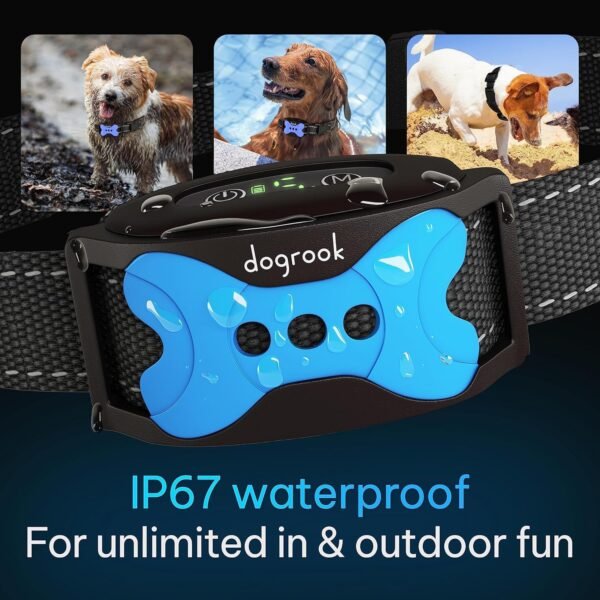
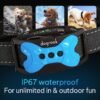
This collar truly shines with its adjustable fit, designed to accommodate dogs from 12 to 110 pounds. I managed to fit it on both a medium-sized mutt and a larger shepherd mix, adjusting the strap effortlessly. It even includes additional prong covers, which help if your dog has long hair, preventing the collar from getting tangled or causing discomfort. The waterproof design means it can handle outdoor training sessions, rain, or even a quick swim, which adds a lot of versatility. The collar’s compact size and lightweight build (only 3.2 ounces) made it easy for my dogs to wear without feeling burdened.
Performance and Training Effectiveness
Training with this collar involved a bit of patience, but the results were encouraging. The progressive training system, which escalates from gentle vibrations to louder beeps, helped my dogs understand that barking excessively wasn’t acceptable, without causing fear or pain. I paired the collar’s feedback with verbal commands—shouting a clear “No!” each time the collar was triggered—as the manufacturer suggests. This combination seemed to speed up the learning process. I also noticed that the collar’s microphone is quite sensitive and accurate, rarely activating by mistake from other dogs or noises, which is an improvement over many bark collars I’ve tried.
Price Worthiness in the Market
Considering its features—no shock training, smart sensitivity, adjustable fit, and waterproof design—this collar offers solid value for money. It’s priced competitively against other humane bark collars that often lack the customization options found here. The ability to choose between multiple vibration and beep intensities means you’re not stuck with a one-size-fits-all approach. For dog owners who want an effective but gentle training tool without breaking the bank, this collar strikes a nice balance. However, if battery longevity or strap comfort is a priority, some might prefer higher-end models with rechargeable batteries and softer materials.
Product Competitors
Compared to popular competitors like the PetSafe Bark Collar and the Garmin BarkLimiter, this collar performs admirably in terms of sensitivity and humane training methods. The PetSafe model also offers vibration and beep options but tends to be less precise in detecting unique barks, sometimes activating unnecessarily. Garmin’s device boasts more advanced features, including smartphone integration, but comes at a significantly higher price point and uses shock as a primary deterrent. The DogRook collar’s waterproof design gives it an edge over some competitors that are only splash resistant. However, in terms of strap comfort and battery convenience, competitors with built-in rechargeable batteries and softer materials have an advantage.
Drawbacks to Consider
Some features didn’t quite meet expectations during use. The collar’s strap material, nylon, while durable, can chafe sensitive skin after long wear, which might require periodic breaks or additional padding. The collar’s weight, though light, felt a bit bulky for very small breeds, even though it’s marketed for dogs as small as 12 pounds. I also found that the beep sounds, while effective, could startle other pets or neighbors if used frequently in an apartment setting. Finally, the lack of a smartphone app or remote control means all adjustments have to be made manually, which can be inconvenient compared to some modern alternatives.
- Nylon strap may cause chafing on sensitive skin
- Bulky for very small breeds despite size recommendations
- Beep sounds can disturb neighbors in close quarters
- No app or remote for easy adjustments
Benefits of Smart Sensitivity and Humane Training
The collar’s smart sensitivity technology is a standout feature that makes training less frustrating and more effective. By distinguishing between different bark patterns, it avoids unnecessary corrections, which helps maintain a positive training environment. The combination of vibration and beep signals provides a clear but gentle warning system, which is ideal for dogs that respond poorly to shock. The collar’s rechargeable and waterproof design means it’s ready for all kinds of weather and training locations, indoors or outdoors. This versatility and humane approach make it a solid choice for dog owners looking for a reliable and kind bark control solution.
- Precise bark detection reduces false triggers
- Gentle vibration and beep modes replace harmful shocks
- Waterproof and rechargeable for versatile use
Using this collar with my own dogs, as well as friends’ pets, gave me a clear sense of its strengths and weaknesses in real-world settings. It’s a tool that demands some patience and adjustment but delivers humane and effective bark control without the harshness of shock collars.