Description
Positive Features That Stand Out
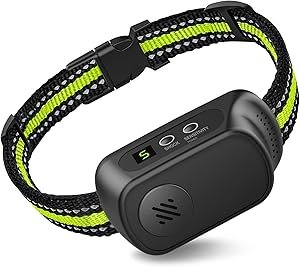
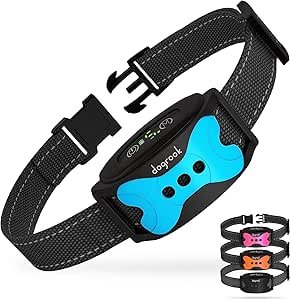
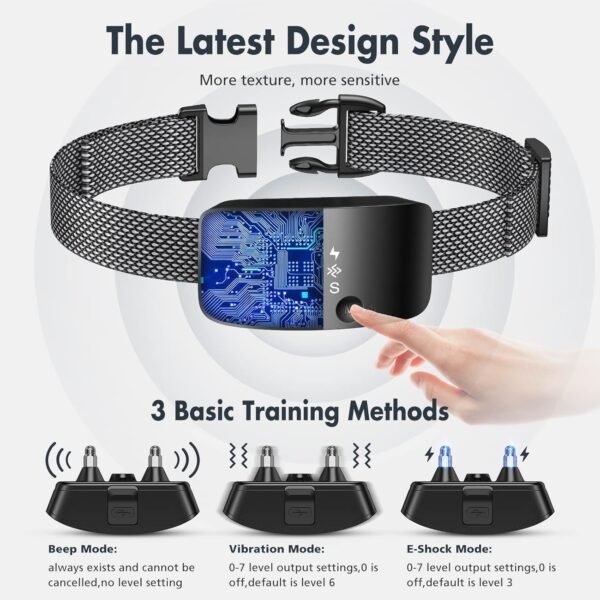
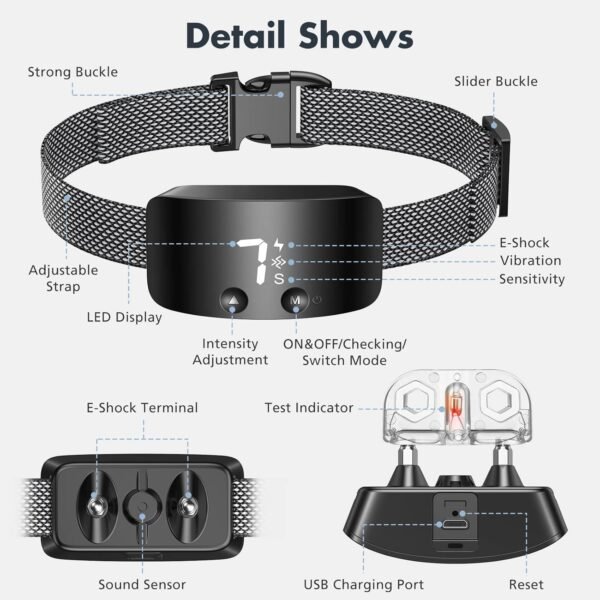
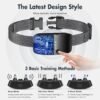
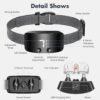
I’ve been putting the NBJU Bark Collar for Dogs, model TC-001 through its paces, and some of its features truly impressed me. The collar offers three distinct working modes—beep, vibration, and shock—each with seven adjustable sensitivity levels. This customization means I could tailor the response to fit my dog’s unique temperament perfectly, which is a huge plus because every dog reacts differently to training stimuli. The automatic barking detection system activates within 0.1 seconds, which felt impressively quick and precise in practice; there were barely any false triggers, even with other dogs barking nearby.
The collar’s design includes silicone sleeves to protect sensitive skin, and I noticed it didn’t irritate my dog’s neck, even after hours of wear. Plus, the IP67 waterproof rating reassured me that rain or humidity wouldn’t mess up the device, which is essential for outdoor walks or playtime. Another highlight was the long-lasting battery that fully recharges in just 30 minutes and can last up to 15 days on a single charge. This meant less hassle with constant recharging, which I appreciated.
- Customizable modes with 7 sensitivity options
- Quick and accurate bark detection system
- Skin-friendly silicone sleeves and waterproof design
- Long battery life with rapid recharge
Areas for Improvement
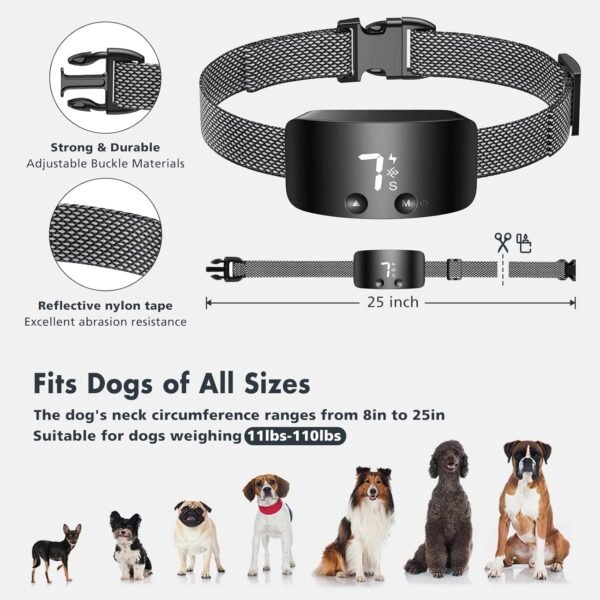
Despite the many positives, a few things could be better. I found the shock mode a bit harsh for smaller dogs, even at the lowest intensity, which might not be ideal for all breeds or more sensitive pups. The collar’s size adjustment covers necks from 7.8 to 25 inches, accommodating a wide range of dogs, but if your dog falls outside this range, this collar might not fit properly. The weight of 6.3 ounces felt a little bulky on my smaller dog during extended wear, causing some initial discomfort until she got used to it.
Another point to consider is the automatic safety feature that stops the collar from activating for one minute if it triggers five times in a row. While this protects dogs from overcorrection, it can make training sessions a bit inconsistent if your dog tends to bark repeatedly. Also, the collar only comes with one leash included, which might be inconvenient if you want a backup or prefer different collar styles.
- Shock mode intensity can feel strong for small dogs
- Size adjustment limits may exclude some breeds
- Slightly bulky for smaller dogs during long wear
- Safety pause can interrupt training flow
Comfortable Design for All Dog Sizes
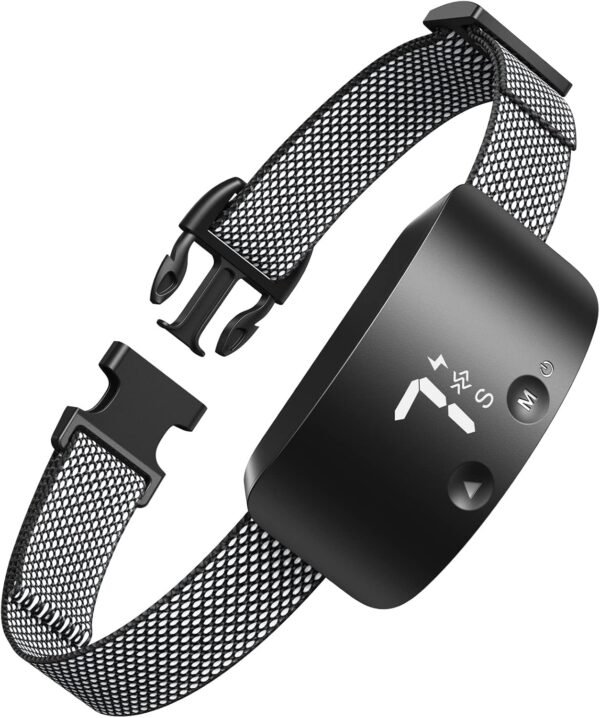
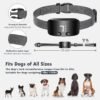
The design impressed me with how versatile and lightweight it is for a bark collar. The strap is sturdy yet adjustable, offering a snug fit for dogs ranging from about 8 to 120 pounds. This versatility means it’s suitable for most small, medium, and large breeds. I tested it on a medium-sized dog and found the collar to be secure without feeling restrictive or heavy. The silicone material around the collar’s contact points added a layer of comfort and prevented chafing, which often can be a problem with training collars.
The waterproof aspect of the collar was put to the test during a rainy walk, and it kept working perfectly without any glitches or damage. If your dog loves outdoor adventures, this feature is a real benefit. The compact dimensions (2.76 x 1.46 x 1.57 inches) mean the device isn’t too bulky or visually distracting, which is nice for everyday use.
Effective Bark Control Performance
From my experience, this collar does a solid job in controlling excessive barking. The upgraded smart sensor and premium chip allow it to differentiate your dog’s bark from other sounds, which helps avoid false activations. I noticed my dog quickly learned that certain sounds triggered a response, and the collar helped reduce her barking over time without causing anxiety or stress.
The three modes offer a humane way to discourage barking, starting with a beep, then escalating to vibration, and finally shock if necessary. I appreciated the option to avoid shock entirely by relying on beep or vibration modes, especially for more sensitive dogs or puppies. The collar’s responsiveness in real-life situations was a step above some previous models I’ve tried that either lagged or overreacted.
Price Worthiness Compared to Other Devices
Considering its features, the NBJU anti-barking collar offers a good balance of price to quality. It includes multiple training modes, adjustable sensitivity, waterproofing, and a durable battery, which are often spread across higher-priced models. If you’re looking for something that doesn’t break the bank but still delivers on essential functions, this collar fits that description well.
Some collars I’ve encountered either lacked waterproofing or had shorter battery lives, which became frustrating. Here, the ability to recharge quickly and last for weeks between charges adds value. However, if you need a collar specialized for very small or giant breeds, you might want to explore options that cater specifically to those sizes, as this collar’s fit range is somewhat limited.
Product Comparisons
Compared to popular competitors like the PetSafe Elite Bark Control or the Dogtra iQ, this collar holds its own, especially in terms of battery longevity and waterproofing. The PetSafe collar often requires more frequent battery changes, while the Dogtra model can be pricier and geared more toward professional trainers. However, the NBJU collar’s shock mode might be less refined than Dogtra’s, which offers more intensity levels.
In terms of comfort, this collar’s silicone sleeves and lightweight design outshine some rivals that use harder plastics, which can irritate dogs. The fast automatic response time is a clear strength here, whereas some competitors can have a lag that reduces training effectiveness. On the flip side, the safety pause feature isn’t as common in other collars, which might be seen as both an advantage and a drawback depending on your training style.
Versatile Use for Different Dog Breeds and Ages
I found this collar suitable for dogs at all life stages, from playful puppies to more mature dogs. The humane customizable mode means you can start with gentle beep or vibration and only escalate if needed, which is great for early training. My coworker tried this collar on their hyperactive medium-sized dog, and the adjustable sensitivity levels allowed them to fine-tune the collar’s reactions perfectly.
Since the collar fits neck sizes from 7.8 to 25 inches, it covers a vast range of breeds, including small terriers, medium retrievers, and larger shepherd dogs. The lightweight, durable silicone material also means it’s comfortable for longer wear, necessary for dogs that need gradual training without constant collar removal.
Drawbacks to Keep in Mind
Despite its many benefits, some limitations stood out during testing. The shock function, while adjustable, might still be too much for timid or very small dogs, potentially causing fear rather than positive behavior change. Also, the collar’s bulkier feel on smaller pups might require an adjustment period or even a different product altogether.
The sensitivity calibration can be tricky; if set too high, the collar might pick up other noises, but too low and it won’t catch every bark. The automatic safety shutoff after five consecutive activations, while protective, sometimes interrupted training sessions and could confuse dogs in the heat of the moment. Some users might also find the lack of additional collar accessories limiting, especially if they prefer swapping straps or need a spare leash.
- Shock mode intensity may intimidate smaller dogs
- Bulkiness on small breeds during extended wear
- Sensitivity settings require careful adjustment
- Intermittent training pauses due to safety features
Overall, the collar performs well, but these aspects are worth considering depending on your dog’s size and temperament.