



Description
Practical Design for Humane Training
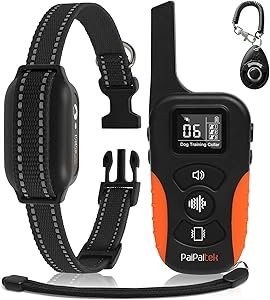
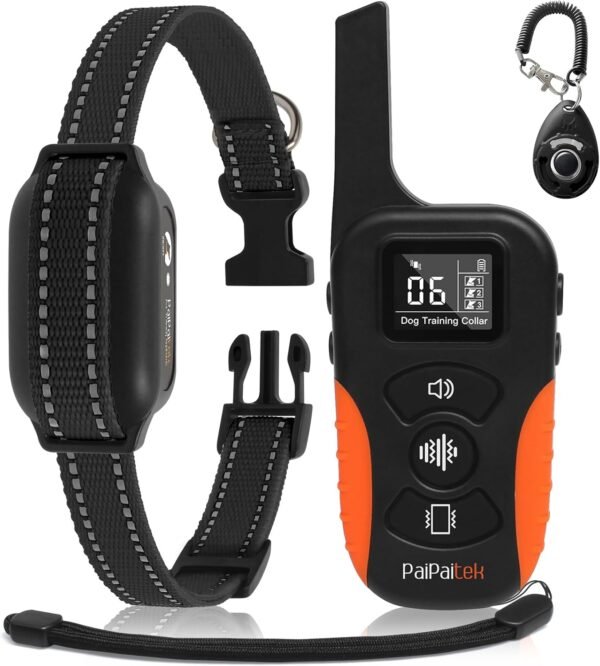
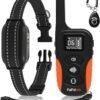
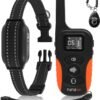
The PaiPaitek No Shock Dog Training Collar with Remote caught my attention because of its unique approach to training. Unlike many other collars, this one is completely prong-free and avoids any use of electric shocks, which is a huge relief for anyone who worries about their dog’s comfort. The smooth surface of the collar ensures it doesn’t irritate the dog’s neck, even after long hours of use. I have a medium-sized dog who’s a bit on the stubborn side, and this collar turned out to be both gentle and effective. It gave me peace of mind knowing my pet wasn’t subjected to any painful training methods while still addressing behavioral issues.
Strong Vibrations and Fun Beep Features
What sets this collar apart is its customizable vibration levels, ranging from 1-9, along with fun beep sounds. The vibrations are surprisingly strong and work well to grab the attention of even the most distracted or stubborn dogs. My dog, for instance, tends to get overly excited when he sees other dogs during walks. A quick press of the remote’s vibration button helps refocus his energy without stress. The beeping feature is also a neat touch. There’s something oddly satisfying in how quickly he learned to associate the beep with commands, making training sessions less of a chore and more engaging.
Impressive Range and Waterproof Build
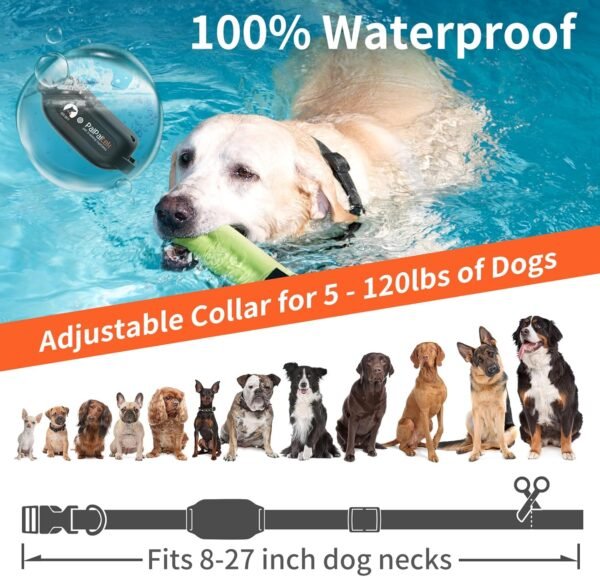
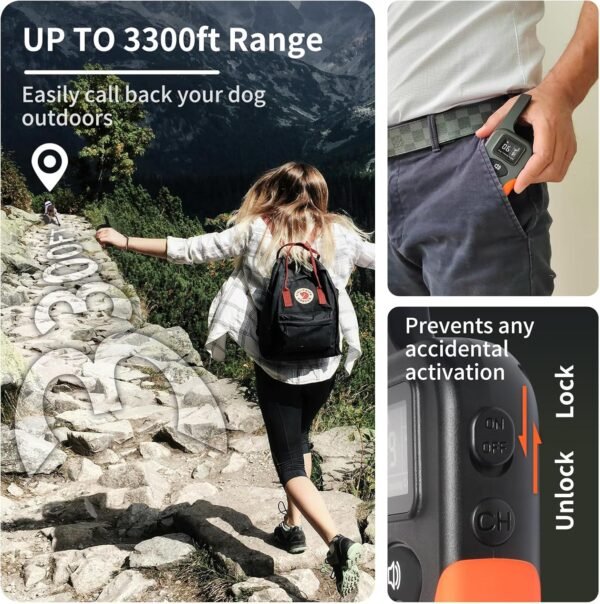
One of the most remarkable aspects of this product is its 3300ft range. I didn’t expect it to work so seamlessly even when my dog wandered off to the far end of the yard. Testing it indoors, I could use the beep function from another room, which was handy for stopping his barking at the door. The waterproof build also deserves a shoutout. Whether it’s a rainy day or a spontaneous splash in a puddle, the collar doesn’t falter. It’s clear that the design takes into account real-life scenarios, making it reliable for outdoor use.
Long Battery Life and Quick Charging
Battery life is often a deal-breaker for me when it comes to devices like this. Thankfully, this dog training collar comes with dual charging cables, allowing simultaneous charging of both the remote and receiver. The advertised 20-day battery life held up well during my testing, and I appreciated not having to constantly recharge it. It’s a small but important detail that ensures uninterrupted training sessions.
Safety Features That Stand Out
Accidental activation is always a concern with these devices, especially when you’re carrying the remote in your pocket. The built-in Safety Lock design is a thoughtful addition that prevents any unintended vibrations or beeps. I also liked the non-slip silicone grip on the remote, which made it easy to hold during walks, even with a leash in the other hand. Combined with the included wrist band, it’s clear the product prioritizes usability and portability.
Key Benefits
- Gentle and humane approach with no shocks or prongs.
- Adjustable vibration levels (1-9) and fun beep sounds for effective training.
- 3300ft ultra-wide range for both indoor and outdoor use.
- Waterproof and durable, suitable for rainy or wet conditions.
- Safety Lock feature to prevent accidental activation during training.
Areas for Improvement
While the collar has many strong points, there are a few areas that could be improved:
- The reflective collar is adjustable, but it took me a while to get the perfect fit for my dog. A more intuitive adjustment mechanism would be helpful.
- The remote interface, though functional, could be made slightly more user-friendly. I found myself double-checking the buttons a few times during use.
- The vibration setting could use finer gradations. The jump between some levels felt a bit too large.
Product Contenders
When comparing this collar to other training collars on the market, a few competitors come to mind. For instance, some collars include both vibration and shock options, which might attract users who want the flexibility of both methods. However, the PaiPaitek collar’s focus on humane training makes it a standout choice for pet owners who want to avoid shocks altogether.
In terms of range, many other collars max out at around 1000ft, which pales in comparison to this one’s 3300ft range. On the other hand, a few competitors offer app integration, which this product lacks. If you’re someone who prefers controlling devices via your smartphone, you might have to look elsewhere. That said, the simplicity and reliability of this collar make it a solid choice for those who prefer straightforward functionality.
Bang for the Buck
From a value standpoint, this product offers an excellent balance of features and usability. While it may not have every bell and whistle, the humane design and durable build make it a worthwhile investment. Its ability to effectively train dogs without causing discomfort is what truly sets it apart. For anyone looking for a budget-friendly yet high-performing training collar, this one ticks all the right boxes.