


Description
Positive Features of the Suptek Ceiling TV Mount
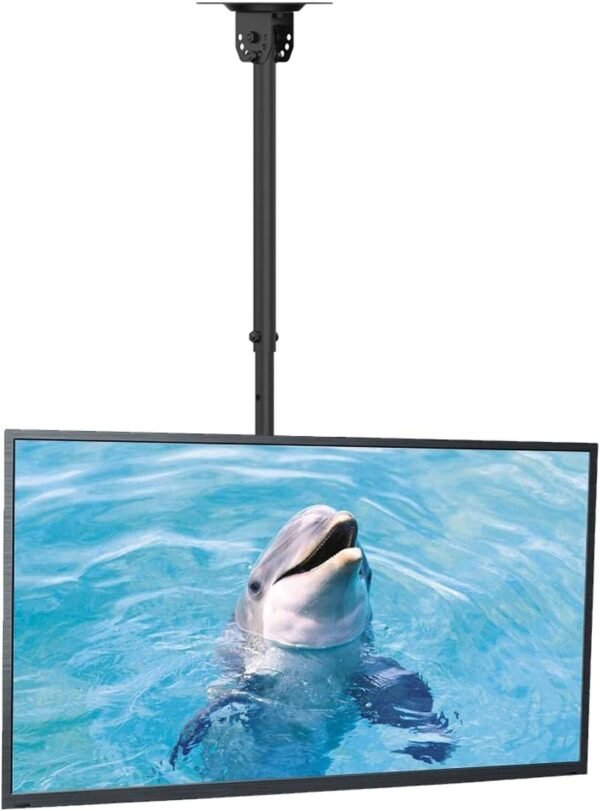
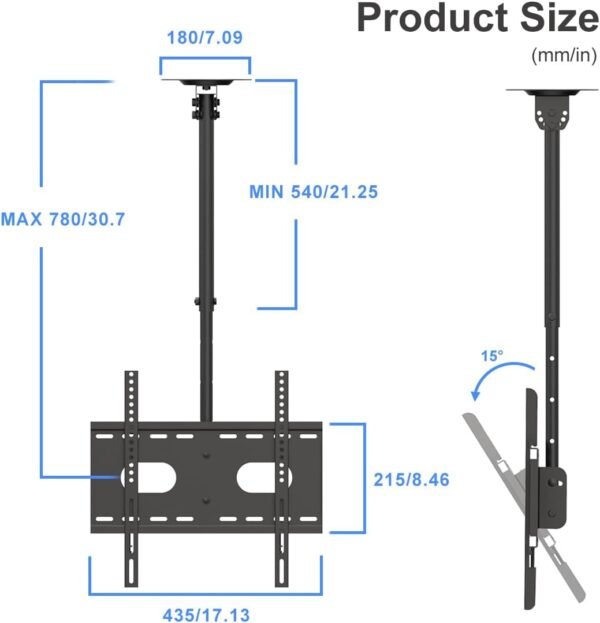
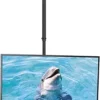
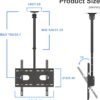
After spending some quality time with the Suptek Ceiling TV Mount MC4602, I can confidently say it offers several advantages that make it stand out in the world of TV mounting solutions. One of the first things I noticed was its versatile compatibility. This product supports most 26-65 inch LCD, LED, and plasma displays with a maximum weight capacity of 100lbs (45kg). Having tested it with different TVs around the house, including an older plasma and a newer LED, the mount held each securely without any wobbling. The height adjustability from 21.25″ to 30.7″ gave me plenty of room to set the TV at the perfect eye level, which really enhanced the viewing experience.
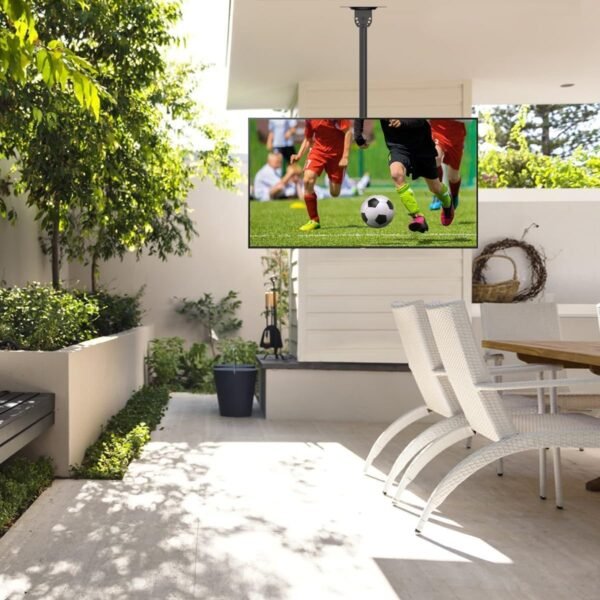
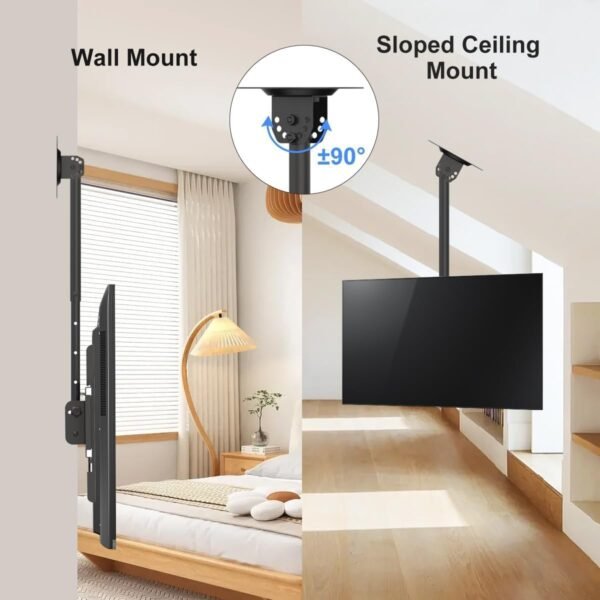
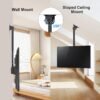
Another highlight is the flexible tilting and swiveling options. The mount allows 15° tilt of the TV plate and a ±90° tilt or full 360° swivel of the wall plate, which means I could easily adapt the screen angle whether the ceiling was flat or sloped. This was especially handy in my living room where the ceiling is slightly angled. I also appreciated the integrated cable management system, which helped keep the setup neat and avoided the dreaded cable spaghetti effect that often ruins a clean look.
From a build perspective, it felt solid and well-constructed, weighing in at 7.7 pounds but still manageable for installation. The included standard installation kit and user manual made mounting straightforward, even for someone like me who is not a professional installer. Overall, the design focused on ease of use, durability, and compatibility, making it a practical choice for most home entertainment setups.
Drawbacks to Consider
Not everything about this ceiling mount was perfect, and there are some limitations worth mentioning. First, while the mount supports a wide range of screen sizes, those with TVs larger than 65 inches or heavier than 100 pounds will need to look elsewhere. I tested it with a 70-inch TV at a friend’s house, and unfortunately, it just wasn’t designed for that scale — the mount felt a bit underpowered and lacked the stability needed.
Installation can also be a bit tricky if your ceiling structure isn’t straightforward. The kit assumes a solid mounting surface, so if you have drop ceilings or uneven materials, extra hardware or professional help might be necessary. I ran into this issue in my basement setup where the mounting points didn’t line up perfectly with joists, requiring me to get creative with anchors.
Lastly, while the 360° swivel sounds great in theory, in tight spaces like small rooms or corners, the full rotation is often restricted by the ceiling or nearby walls. This limits the mount’s flexibility somewhat, so it’s important to visualize your room layout before committing.
Height and Tilt Adjustability in Practice
The height adjustability feature really impressed me. Being able to extend or retract the mount from 21.25 inches to 30.7 inches means you’re not stuck with a fixed viewing position. This proved invaluable for my family, especially since my kids like to watch TV at different heights. Adjustments are smooth and stable, and the locking mechanisms feel secure once tightened.
The tilt range on the TV plate of about 15 degrees allows for minor screen angle corrections that reduce glare and improve visibility from various seating positions. Combined with the ±90° tilt or full 360° swivel on the ceiling plate, it provides a lot of flexibility to customize your viewing experience. However, as I mentioned, physical constraints sometimes limit this full motion.
Cable Management That Keeps Things Tidy
One of my pet peeves with mounted TVs is the unsightly mess of cables dangling everywhere. The integrated cable management on this mount was a breath of fresh air. The design cleverly routes cables through the mount itself, keeping them hidden and protected. This not only improves aesthetics but also reduces the chance of cables being tugged or damaged.
Installing the cables inside the mount was surprisingly easy, and once in place, everything stayed secure even when I adjusted the TV’s angle. For anyone looking for a clean and professional look, this feature is a major plus.
Competitive Options in the Market
Comparing this ceiling mount to similar products like the VideoSecu or Mount-It! ceiling mounts, the Suptek MC4602 holds its own firmly. While some competitors boast a slightly higher weight capacity or wider TV size range, they often lack the same degree of height adjustability or smooth swivel functionality.
For instance, the VideoSecu mounts I’ve used before had more limited swivel angles and didn’t offer the same integrated cable management. On the flip side, some premium mounts come with motorized adjustments or extendable arms, which the Suptek lacks, but those options come at a much higher price point.
In terms of ease of installation, the Suptek model is fairly straightforward compared to its rivals, especially for those who want a balance between features and simplicity. It’s a solid middle ground for most users who don’t need all the bells and whistles but want reliable performance.
Value Assessment: Is It Worth It?
Evaluating the price to quality ratio, this mount strikes a good balance. It’s not the cheapest option out there, but the features and build quality justify its cost. For the price, you get a mount that is compatible with a broad range of TVs, offers extensive adjustability, and includes a comprehensive installation kit.
Given the solid metal construction and thoughtful design, I feel this mount offers smart spending for anyone who wants a dependable solution without breaking the bank. Considering what some higher-end ceiling mounts charge for similar specs, this one feels like it delivers budget-friendly quality.
Installation Experience and User-Friendliness
I tackled the installation myself with just the included tools and instructions, and it was surprisingly manageable. The manual was clear, with step-by-step guidance, which helped avoid any guesswork. The mounting plate is intuitive to attach to the TV, and the ceiling attachment felt robust once secured.
My coworker, who is less handy, also tried setting it up at her place and was able to get it done without professional help, which speaks volumes about its user-friendliness. Keep in mind that the sturdiness of your ceiling matters, so having a solid joist or beam to anchor into is essential for safety and stability.
Final Thoughts on Design and Build Quality
The overall design of this ceiling mount is sleek and functional. Unlike some bulky mounts that dominate the ceiling space, this one keeps a low profile with dimensions of 17.44 x 8.86 x 2.2 inches, blending into the room without shouting for attention. The metal finish is sturdy but not overly industrial-looking, so it fits well in various décor styles.
Build quality feels premium, with no flimsy parts or loose fittings. The 7.7-pound weight of the mount itself adds to its stability without making it a beast to install. I noticed no creaking or instability during adjustments, which gives peace of mind about its long-term durability.
Key Benefits:
- Supports most 26-65 inch TVs up to 100 lbs
- Height adjustable from 21.25″ to 30.7″
- 15° tilt and 360° swivel for versatile viewing angles
- Integrated cable management for neat setup
Drawbacks:
- Not suitable for TVs over 65 inches or heavier than 100 lbs
- Installation can be tricky on non-standard ceilings
- Full swivel range limited by room layout constraints
This ceiling mount offers a compelling mix of functionality, ease of installation, and value, making it a solid choice for anyone looking to enhance their home theater setup or optimize space with a ceiling-mounted TV.


