Description
Highlights of the Furinno Turn-N-Tube Entertainment Center
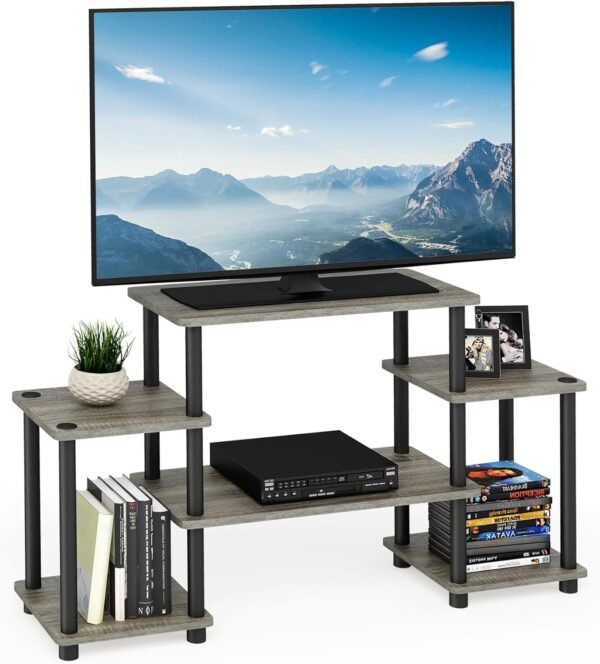
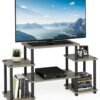
Testing the Furinno Turn-N-Tube No Tools Entertainment Center, Round Square Corner, French Oak Grey/Black has been quite an experience. The first thing that caught my attention was its unique no-tools assembly design. The concept of twisting, turning, and stacking PVC tubes and engineered wood panels to build a sturdy entertainment center was surprisingly intuitive. It genuinely took me less than 10 minutes to assemble the entire unit without needing any screwdrivers or complicated tools. This ease of setup is definitely a major selling point for anyone not keen on spending hours wrestling with furniture instructions.
Beyond assembly, the materials used feel thoughtfully chosen. The engineered medium density composite wood feels solid yet lightweight, which makes moving the unit less of a chore. I appreciate that the wood complies with green manufacturing standards and is free from foul smells, which can be common with cheaper composite woods. Plus, the PVC tubes are made from recycled plastic, adding an eco-friendly appeal that was unexpected but welcome. The overall look, with its French Oak Grey finish paired with black accents, fits nicely in my living room without screaming for attention.
Perks That Make a Difference
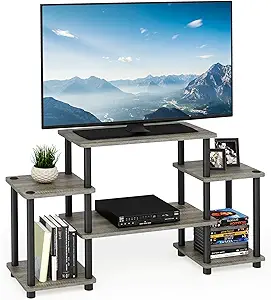
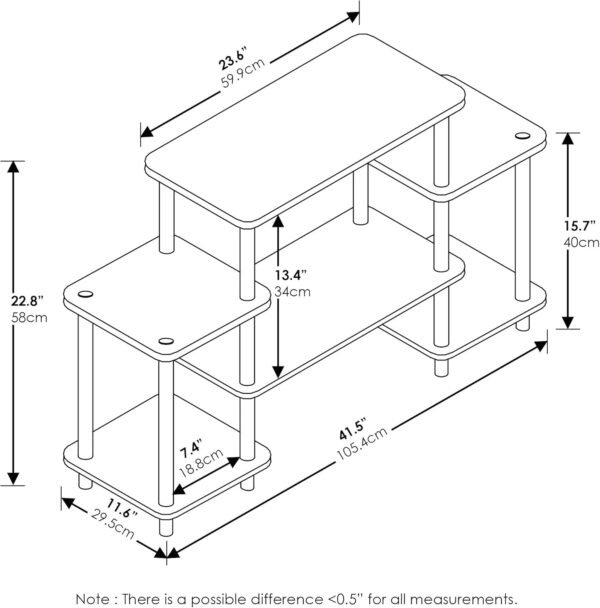
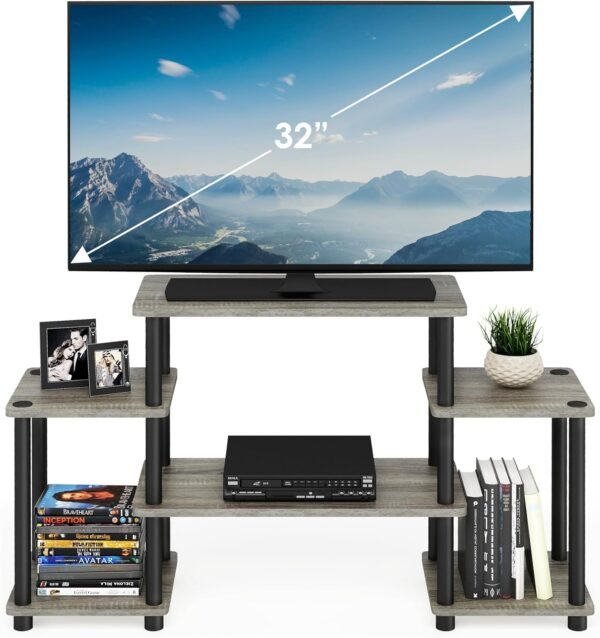
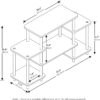
One of the good aspects of this entertainment center is its space-saving design. At around 41.5 inches wide and just over 11 inches deep, it fits perfectly in tighter spaces where bulkier furniture would overwhelm the room. Despite its compact size, the unit offers six shelves that can hold a surprising amount of media equipment, books, or decorative items. It really helps keep my living area tidy and organized.
- No tools required for assembly, making it hassle-free.
- Durable materials that feel sturdy and eco-conscious.
- Compact dimensions ideal for small apartments or rooms.
- Six shelves provide ample storage and display options.
The versatility of the shelves is another highlight. I’ve used them for everything from my gaming console and DVD player to a few decorative plants and some books. The open display concept means you don’t have to wrestle with cabinet doors or sliding panels, which can often feel clunky or get stuck. Plus, the open design helps with ventilation—important if you’re housing electronics. The unit’s lightweight nature also means I’ve moved it around the room a couple of times without breaking a sweat.
Drawbacks Worth Considering
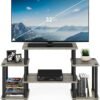
Of course, not everything was perfect. There are a few areas for improvement that potential buyers should be aware of. The first is the weight capacity. While the unit is sturdy for its size, it’s not built to hold extremely heavy TVs or equipment. I kept my TV under 50 pounds and it was fine, but anything heavier might cause some wobbling or stress on the PVC tubes over time.
- Limited weight capacity may not suit larger TVs or heavy equipment.
- The laminated finish can scratch if handled roughly.
- Some users might find the open design less protective against dust.
The laminated surface, although attractive, did show minor scratches after I moved the unit a couple of times. This isn’t a big deal if you’re careful, but rough handling or frequent moving could affect the finish over time. Dust is also more noticeable on open shelving, so regular cleaning is necessary if you want it to look pristine. A cloth dampened with water works fine; harsh chemicals should be avoided to preserve the wood’s surface.
Functional Design and Material Quality
The smart design of this entertainment center truly stands out. The use of recycled PVC tubes combined with engineered wood creates a lightweight yet durable frame. The tubes twist and lock into place, eliminating the need for screws or nails. This design not only speeds up assembly but also makes disassembly or relocation much easier compared to traditional furniture.
Material-wise, the engineered wood’s green label certification gave me confidence in its environmental friendliness and durability. The wood panels have a smooth laminated finish that resists minor spills and stains, making it practical for everyday use. It’s also worth mentioning that the entire unit is produced in Malaysia with a high percentage of recycled materials, which aligns with eco-conscious values.
Price to Quality Ratio
Considering the price worthiness of this entertainment center, it strikes a solid balance between cost and features. Its affordability is hard to beat given the quality of materials, ease of assembly, and functionality. For those furnishing a new apartment or looking for budget-friendly solutions, this unit offers a budget-friendly option without sacrificing durability.
Compared to pricier solid wood stands or metal-framed units, this one might not have the same premium feel, but it holds its own with practical design and eco-friendly materials. It’s a smart spend for anyone needing a functional, stylish, and easy-to-move entertainment center that doesn’t break the bank.
Product Competitors and How It Stacks Up
Several competing products in the TV and media furniture space emphasize sturdiness or luxury finishes, but many require tools and longer assembly times. Compared to those, the quick assembly and no-tool feature of this unit make it stand out. For example, some competitor models use heavier particleboard combined with metal brackets, which can be cumbersome and less environmentally friendly.
However, the trade-off is that competitors often support heavier TVs and provide closed cabinets for concealed storage. If security or weight capacity is your priority, those options might suit you better. That said, this unit shines in providing a lightweight, eco-friendly, and versatile storage solution that fits smaller spaces and simpler setups.
Ease of Maintenance and Longevity
Keeping the unit clean is straightforward. A damp cloth quickly wipes away dust and spills, and avoiding harsh chemicals ensures the laminated surface stays intact. The maintenance instructions are simple, which is a relief for anyone who dreads complicated upkeep.
I’ve noticed that the structure remains stable after multiple moves and light adjustments, demonstrating good longevity for a budget-friendly product. The manufacturer’s one-year limited warranty is another reassuring factor, indicating confidence in the product’s durability.
Versatility for Different Uses
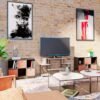
This entertainment center isn’t just for TVs. I’ve experimented using it as a multi-purpose storage rack in other rooms, like a mini bookshelf in the office or a display unit in the bedroom. Its neutral colors and compact size make it adaptable to various decor styles. Kids in the family even found it handy to store toys and craft supplies neatly.
The open shelving concept encourages creative use, whether for organizing cosmetics, jewelry, or even a small collection of plants. This flexibility adds value beyond its primary function as a media stand. It’s a simple yet clever piece of furniture that fits into different lifestyles and rooms without looking out of place.