
Description
A Tasty Solution for Medication Time: Greenies Pill Pockets for Dogs
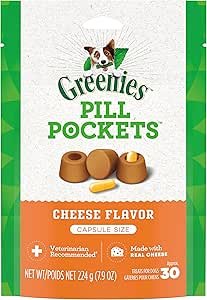
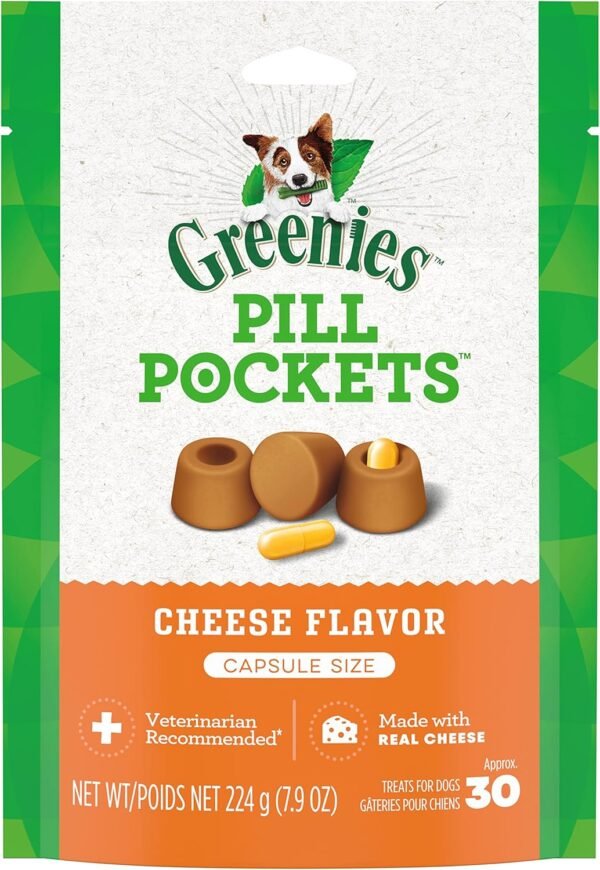
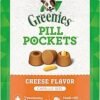
Giving medicine to a dog can sometimes feel like trying to outwit a four-legged detective. The Greenies Pill Pockets for Dogs, specifically the Large Size Cheese Flavor (10177185), turned out to be a game-changer in my household. As someone who has struggled with sneaky pill-hiding techniques (hello, peanut butter smears and cheese slices), I was eager to see if these treats could deliver on their promise to make medication time stress-free. Spoiler alert: they did, but not without a few quirks.
Ease of Use: A Simple Yet Effective Design
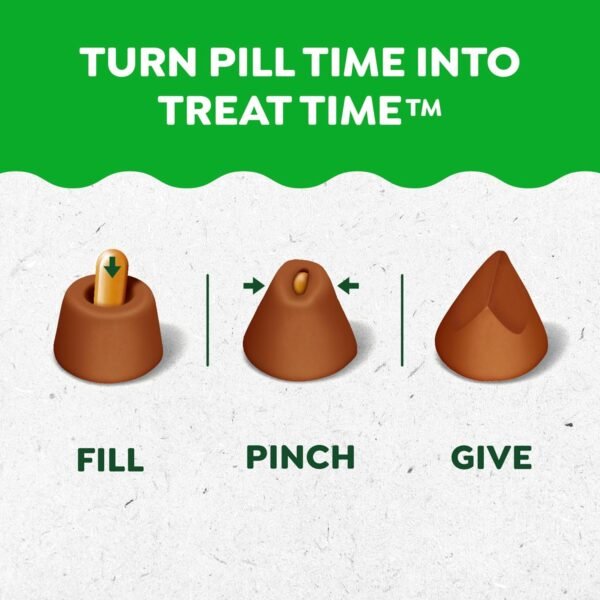
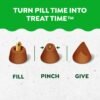
What I appreciated most about these pill pockets is how foolproof the process is. The soft, malleable texture allows you to pinch the treat tightly around the pill, effectively sealing it inside. I tested this with both capsules and tablets, and the results were consistent. No crumbling, no breaking apart, and—most importantly—no suspicious sniffing from my dog. The pouch design is intuitive and perfect for those of us who aren’t exactly pros when it comes to disguising pills.
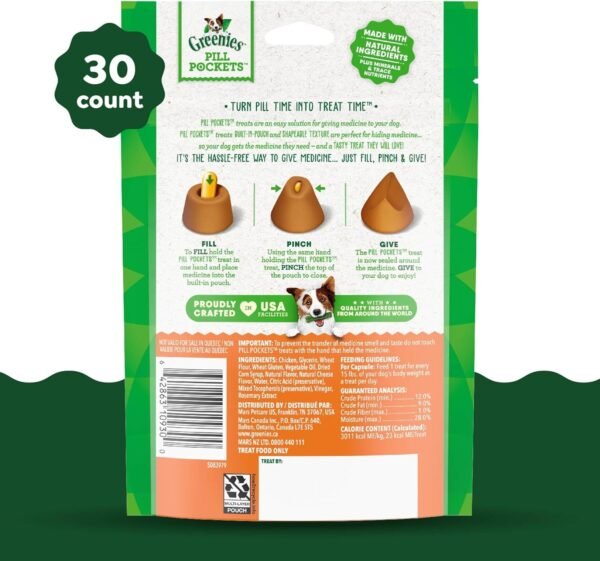
The size is ideal for larger capsules, which was a relief since I’ve often found other products too small to properly hide medication. For smaller pills, I simply tore the treat in half, and it worked just as well. The instructions on the package make it clear: one treat for capsules, two for tablets, depending on your dog’s weight.
Cheese Flavor: A Hit or Miss?
The cheese flavor was an instant hit with my Labrador, who is a certified foodie. The smell is strong enough to mask the scent of the medication, which is a huge plus. However, my neighbor’s picky Chihuahua wasn’t as impressed. I think the flavor might be a little too bold for dogs with more sensitive taste buds. It’s worth mentioning that Greenies Pill Pockets come in other flavors, so if cheese isn’t a winner, there are alternatives to consider.
Key Benefits
- Simplifies medication time: No more wrestling with your dog or chasing them around the house.
- Seals tightly around pills: Ensures even the most stubborn dogs can’t sniff out the medicine.
- Soft and pliable texture: Makes it easy to use, even with oddly-shaped capsules.
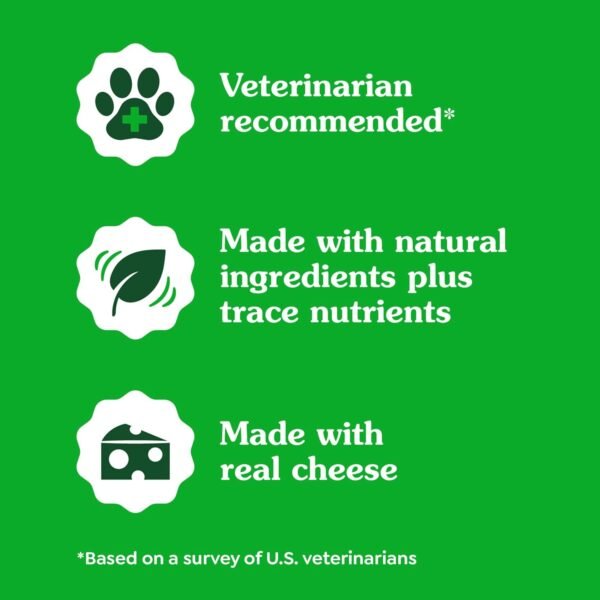
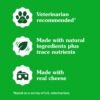
- Natural ingredients: Contains minerals and trace nutrients, so you don’t feel guilty about giving them as treats.
Areas of Concern
- Flavor sensitivity: Some dogs might not love the cheese flavor, so it’s not a one-size-fits-all solution.
- Price point: While effective, these pill pockets might feel a bit pricey compared to DIY alternatives like peanut butter or deli meat.
- Portion size: For smaller dogs, the large size may seem excessive unless halved, which could lead to waste.
Build Quality and Packaging
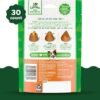
The packaging itself is convenient, with a resealable pouch that keeps the treats fresh. The 30-count pack is perfect for households with large dogs or those administering daily medication. However, I did notice that the treats can dry out slightly if not sealed properly, which affects their pliability. A little extra care in closing the bag goes a long way.
Competing Products
When compared to other options like Pill Wrap Paste or simply wrapping pills in human food, Greenies Pill Pockets stand out for their consistency and ease of use. While peanut butter is a common alternative, it’s messy and doesn’t always mask the smell of medication effectively. Cheese slices are another go-to, but they can crumble or fall apart when trying to hide pills.
What sets these pill pockets apart is their ability to completely seal off both smell and taste, which is something competitors often fail to achieve. That said, other brands like Zesty Paws Pill Wraps offer more flavor variety, which might appeal to pickier dogs. However, I found that Greenies’ texture and size made them more versatile for different pill types.
Cost Efficiency
In terms of value for money, these pill pockets strike a balance between convenience and quality. Yes, they’re pricier than DIY methods, but the time saved and the reduction in stress make them worth it. For pet owners administering medication regularly, the investment feels justified. If you’re only giving pills occasionally, you might find them a bit extravagant, but the convenience factor can’t be overstated.
Who Should Buy Greenies Pill Pockets?
These treats are ideal for pet owners dealing with stubborn dogs who refuse to take medication. They’re particularly useful for dogs on long-term medication regimens, where the daily struggle can become exhausting. For multi-pet households, the variety of flavors and sizes makes them adaptable to different breeds and preferences.
On the flip side, if your dog is already easygoing about taking pills, you might not need such a specialized product. But for those of us with four-legged detectives who can sniff out a pill from a mile away, these are a lifesaver.
Final Thoughts
In my experience, Greenies Pill Pockets are a practical, well-designed solution for an age-old problem. The cheese flavor, soft texture, and easy-to-use design make them a standout choice for medicating dogs. While there are a few minor drawbacks, the overall convenience and effectiveness far outweigh them. Whether you’re a seasoned pet owner or new to the game, these treats are worth considering for your furry friend.