

Description
Highlights of the AENTGIU Studless TV Wall Mount
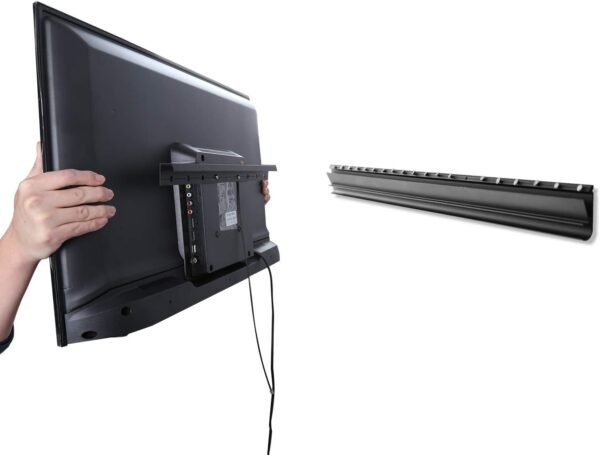
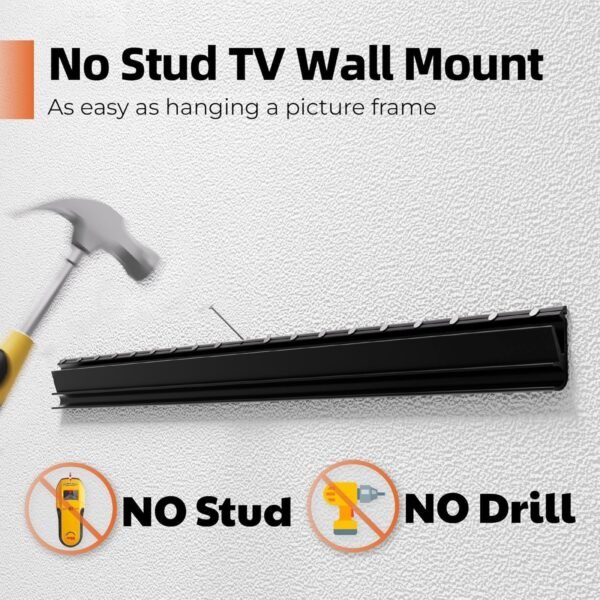
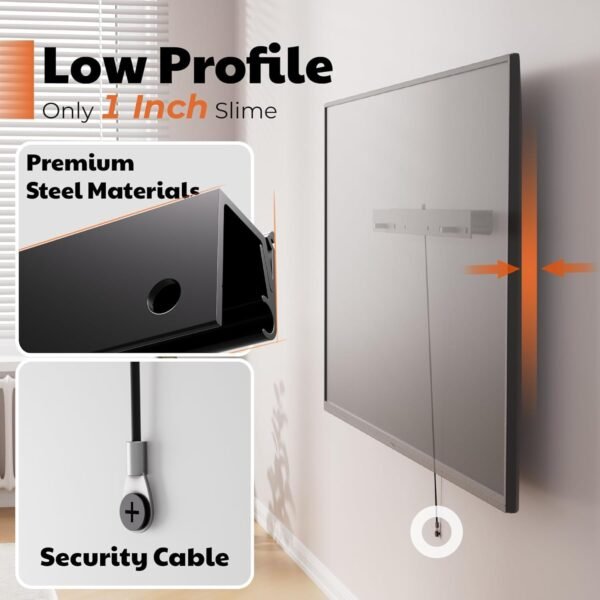
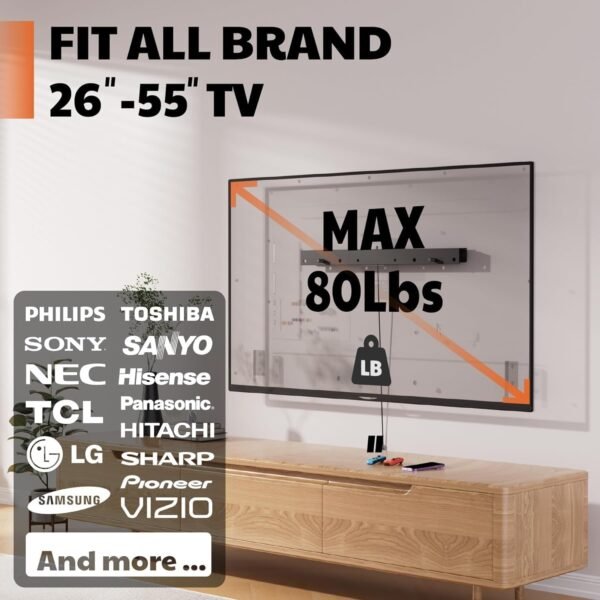
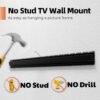
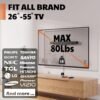
The AENTGIU Studless TV Wall Mount impressed me right from the start with its no-stud installation feature. It’s designed for 26 to 55-inch flat screen TVs, which covers a broad range of popular sizes in my household. I appreciated the fact that it doesn’t require drilling into studs or using anchors, making it a fantastic option for renters or anyone hesitant to damage their walls. The package includes all the necessary hardware and a built-in bubble level, which made the setup surprisingly straightforward. Despite its slim profile—just 1 inch away from the wall—it feels incredibly sturdy.
Disadvantages to Consider Before Buying
Not everything was perfect with this mount. The weight limit is 80 lbs on drywall, which is fine for many TVs but could be limiting if you own a heavier model. Also, the installation uses tiny picture hanging nails instead of traditional screws, which felt a bit less reassuring at first, especially for a pricey TV. The mount can tilt up to +5 degrees, but there’s no swivel feature, so if you want to adjust the angle side to side, this mount won’t do it. These aspects might be dealbreakers depending on how flexible you want your TV positioning to be.
Solid Build Quality and Safety Features
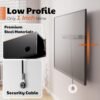
The steel construction of this mount is heavy-duty and solid, giving me confidence in the safety of my equipment. It’s rated to hold up to 110 lbs on wood or concrete block walls, which is impressive for such a slim design. A nice touch is the included security cable, adding an extra layer of protection against accidental knocks or vibrations. My family’s living room can get lively, and knowing the mount can handle bumps without compromising the TV’s safety was reassuring.
Easy Installation Without Drilling—A Game Changer
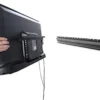
The installation process was a breeze, especially because I didn’t have to search for wall studs or drill holes. The mount uses tiny picture hanging nails, which might sound flimsy, but the design distributes weight effectively. The package’s built-in bubble level saved me from the usual guesswork, and the instructions were clear enough for a novice. It took me about 10 minutes to have the TV securely mounted. This mount is a perfect fit for those who want a quick, damage-free setup without sacrificing reliability.
Compatibility and Design Flexibility
This wall mount is compatible with most TVs that have VESA mounting patterns from 100×100 mm to 400×400 mm. If your TV falls within the 26 to 55-inch size range, this bracket should work without a hitch. The black finish blends well with any modern TV and room decor, keeping things sleek and unobtrusive. Since it extends only an inch from the wall, it offers a clean, low-profile look that makes the TV appear almost flush against the wall. It’s a great choice if you want to optimize room space.
Peer Products and Market Rivals
Compared to other studless TV mounts I’ve tested or researched, this one stands out due to its weight capacity and solid steel build. Some competitors offer mounts for similar TV sizes but either require drilling or don’t support as much weight on drywall. For example, cheaper alternatives often rely on plastic components, which felt less sturdy during my tests. On the flip side, certain premium mounts offer more tilt options and swiveling capabilities, which this product lacks. If your priority is easy installation with minimal wall damage and reliable support, this mount edges out many rivals.
Value Proposition: Is It Worth the Investment?
For what you get, the price feels fair considering the durability, ease of installation, and included mounting hardware. The fact that it avoids the typical hassle of finding studs or drilling holes adds significant value, especially for renters or those who change living spaces frequently. While some might argue the lack of swivel and limited tilt range detracts from versatility, the simplicity and clean design compensate well. If you want a budget-friendly, robust wall mount that keeps your TV secure without complicated setups, this is a solid choice.
Benefits Summarized
- No stud or drill installation, perfect for renters
- Supports TVs from 26 to 55 inches, compatible with most models
- Sleek, low-profile design keeps TV close to the wall
- Heavy-duty steel construction ensures strong support
- Includes security cable and all mounting hardware
Limitations Worth Noting
- Maximum weight on drywall limited to 80 lbs, which may exclude heavier TVs
- Uses picture hanging nails instead of screws, which might feel less sturdy to some
- Only tilts up to +5 degrees, no side swivel option
- Not ideal for users seeking flexible viewing angles
Testing It Out With Family and Friends
My kids were curious about the new setup, and even they noticed how neat the TV looked mounted just an inch from the wall. My partner appreciated the lack of noise or dust from drilling, and my roommate was amazed at how quickly the whole thing went up. However, one of my friends who prefers adjustable mounts for gaming setups found the tilt limitation a bit restrictive. Overall, it caters well to casual viewers and those prioritizing ease over full adjustability.
The AENTGIU Studless TV Wall Mount offers a blend of convenience and security that makes it an intriguing option for many households. Its design simplicity and sturdy build make it a dependable choice for mounting mid-sized TVs without the usual installation headaches.


